
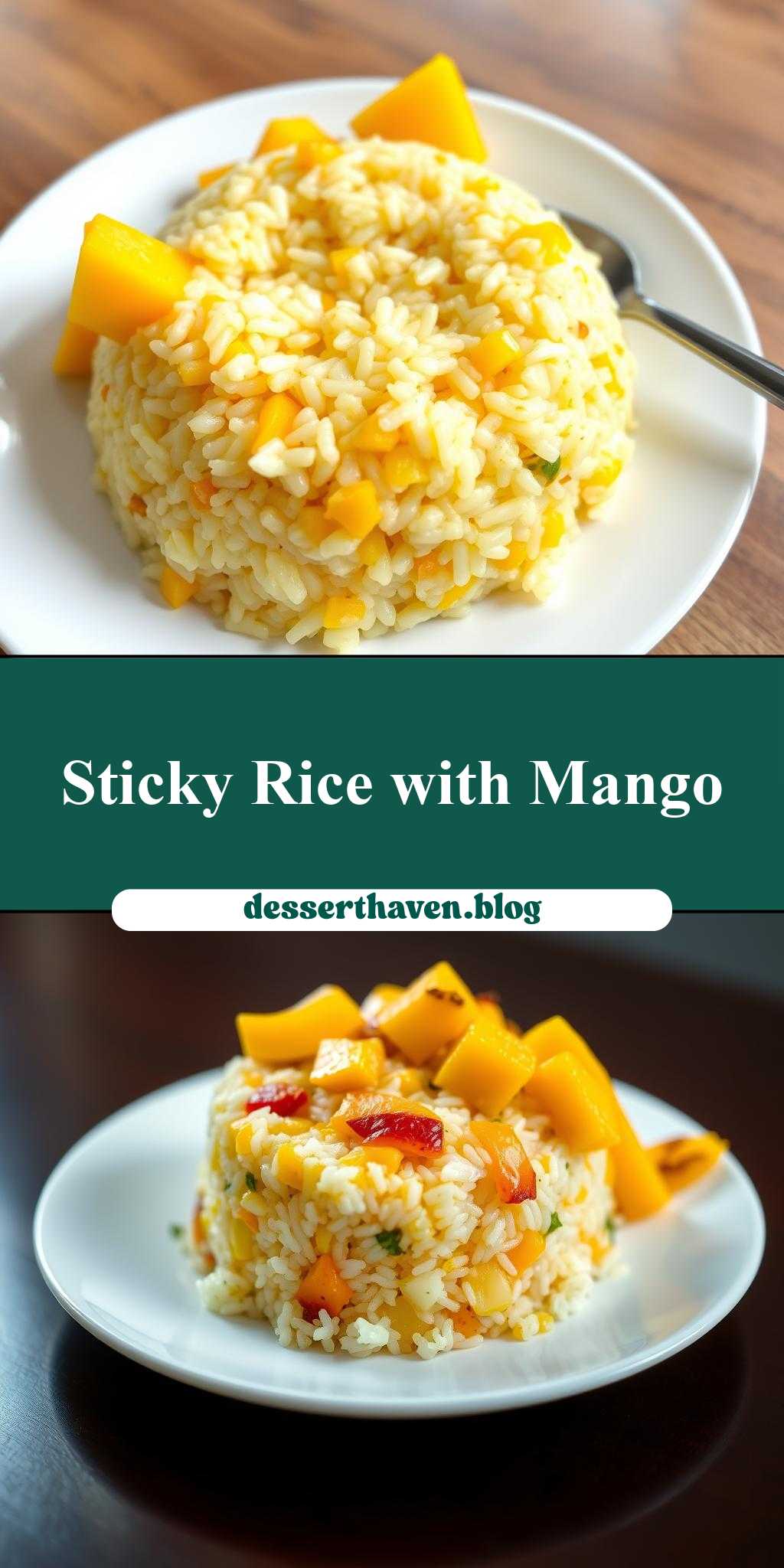
What’s the secret to perfect Filipino desserts? It starts with homemade sticky rice, cooked to perfection and paired with sweet ripe mango. This easy and quick dessert recipe is a family favorite, made with simple ingredients like glutinous rice and fresh mango. Save this idea for a delicious weeknight treat that’s sure to become a staple in your household. Try it soon!
Filipino Sticky Rice with Mango
Introduction
Filipino Sticky Rice with Mango, also known as “Mangga’t Suman” in the Philippines, is a delightful and traditional dessert that combines the sweetness of ripe mangoes with the chewy texture of sticky rice. This dish is not only a staple in Filipino cuisine but also a creative way to enjoy everyday ingredients. With its ease of preparation, impressive flavor balance, and the ability to be made with minimal effort, it’s a perfect treat for any occasion. Whether you’re looking to try something new or revisit a classic, this recipe is sure to satisfy your cravings and leave you wanting more.
Why This Works
- The balance of flavors between the sweetness of the mango and the subtle taste of the sticky rice creates a delightful harmony that is both refreshing and satisfying.
- The accessibility of the ingredients, with sticky rice and mango being widely available, makes this dish easy to prepare for anyone.
- The impressive results achieved with minimal effort make it an ideal choice for those looking to impress without spending hours in the kitchen.
Key Ingredients
The main ingredients for Filipino Sticky Rice with Mango include glutinous or sticky rice, ripe mangoes, coconut milk, sugar, and a touch of salt. For the sticky rice, you can use either white or brown glutinous rice, depending on your preference for texture and nutritional value. Ripe mangoes are crucial for the best flavor, but you can also use other sweet fruits like bananas or jackfruits as substitutes in a pinch. Coconut milk adds a rich and creamy texture, while sugar and salt balance out the flavors. Practical substitutions can include using regular milk or cream if coconut milk is not available, though it will slightly alter the flavor profile.
Instructions
- Step 1: Begin by preparing your ingredients. Rinse the glutinous rice thoroughly and soak it in water for at least 4 hours or overnight. Peel and slice the mangoes into bite-sized pieces. Measure out the coconut milk, sugar, and salt.
- Step 2: Cook the glutinous rice according to the package instructions, typically by steaming it until it’s soft and chewy. While the rice is cooking, mix the coconut milk, sugar, and salt in a saucepan and heat it over low heat, stirring until the sugar is dissolved.
- Step 3: Once the rice is cooked, mix it with the coconut milk mixture until the rice is well coated. This step is crucial for achieving the right texture and flavor.
- Step 4: Serve the sticky rice with sliced mango on top. You can garnish with additional ingredients like sesame seeds or coconut flakes for extra texture and visual appeal.
Handy Tips
- Using the right type of rice is crucial. Glutinous or sticky rice is necessary for this dish because of its high starch content, which gives it a chewy texture.
- Avoid overmixing the rice with the coconut milk mixture, as it can become too sticky and clumpy.
- For a vegan version, ensure that the sugar used is vegan-friendly, as some sugars are filtered through bone char.
Heat Control
When heating the coconut milk mixture, it’s essential to avoid boiling it, as this can cause the mixture to curdle or separate. Instead, keep it on a low heat, stirring occasionally, until the sugar is dissolved and the mixture is warm and well combined. This gentle heating helps to preserve the texture and flavor of the coconut milk.
Crunch Factor
The texture of Filipino Sticky Rice with Mango is all about contrast, with the chewy sticky rice complemented by the soft and juicy mango. To enhance the crunch factor, you can sprinkle toasted sesame seeds or chopped nuts over the top of the dish before serving. This adds a satisfying crunch to each bite, balancing out the softness of the rice and mango.
Pro Kitchen Tricks
- For easier cooking, use a rice cooker with a steaming basket to cook the glutinous rice. This helps to achieve the perfect texture with minimal effort.
- Prepare the coconut milk mixture ahead of time and refrigerate it overnight to allow the flavors to meld together.
- Clean up as you go to avoid sticky spills and residue. Immediately wash any utensils or dishes that come into contact with the sticky rice or coconut milk mixture.
Storage Tips
- Leftover sticky rice can be stored in an airtight container in the refrigerator for up to 3 days. Reheat it by steaming or microwaving until it’s warm and fluffy again.
- Mangoes are best consumed fresh, but they can be stored at room temperature or in the refrigerator to prolong their freshness.
- For longer storage, cooked sticky rice can be frozen for up to 2 months. Simply thaw and reheat when needed.
Gift Packaging Ideas
Filipino Sticky Rice with Mango makes a wonderful gift, especially during special occasions or as a token of appreciation. Consider packaging it in decorative baskets or boxes lined with banana leaves for a traditional touch. You can also use small ceramic bowls or jars and garnish with a sprinkle of sesame seeds and a slice of mango on top. Adding a ribbon or a gift tag with a personal message makes it an even more thoughtful gift.
Flavor Variations
- Experiment with different spices like pandan leaves or cinnamon to add unique flavors to your sticky rice.
- Try creative toppings like toasted coconut flakes, chopped nuts, or even a drizzle of honey for added sweetness and texture.
- Swap ingredients like using different types of milk or adding a splash of fruit juice to the coconut milk mixture for varying flavors.
Troubleshooting
- If your sticky rice turns out too dry, it may be due to overcooking. Try adding a bit more coconut milk to revive it.
- If the coconut milk mixture separates, it could be due to overheating. Start again with a new mixture, and this time, heat it more gently.
- For texture problems, ensure you’re using the right type of rice and not overmixing it with the coconut milk.
FAQs
- Can I freeze it? Yes, cooked sticky rice can be frozen for up to 2 months. Simply thaw and reheat when needed.
- Is it gluten-free? Yes, this dish is naturally gluten-free, making it suitable for those with gluten intolerance or sensitivity.
- Can I double the recipe? Absolutely, this recipe can be easily doubled or tripled to serve larger crowds. Just ensure you have enough cooking vessels and storage containers.
Conclusion
Filipino Sticky Rice with Mango is a dish that embodies the warmth and hospitality of Filipino culture. With its simple yet flavorful ingredients and easy preparation method, it’s a perfect dessert for any occasion. Whether you’re a seasoned chef or a beginner in the kitchen, this recipe is sure to delight your taste buds and leave a lasting impression on your guests. Feel free to experiment with different variations and make it your own, and don’t hesitate to share your creations and tips with others. Happy cooking, and enjoy the delightful world of Filipino cuisine!