
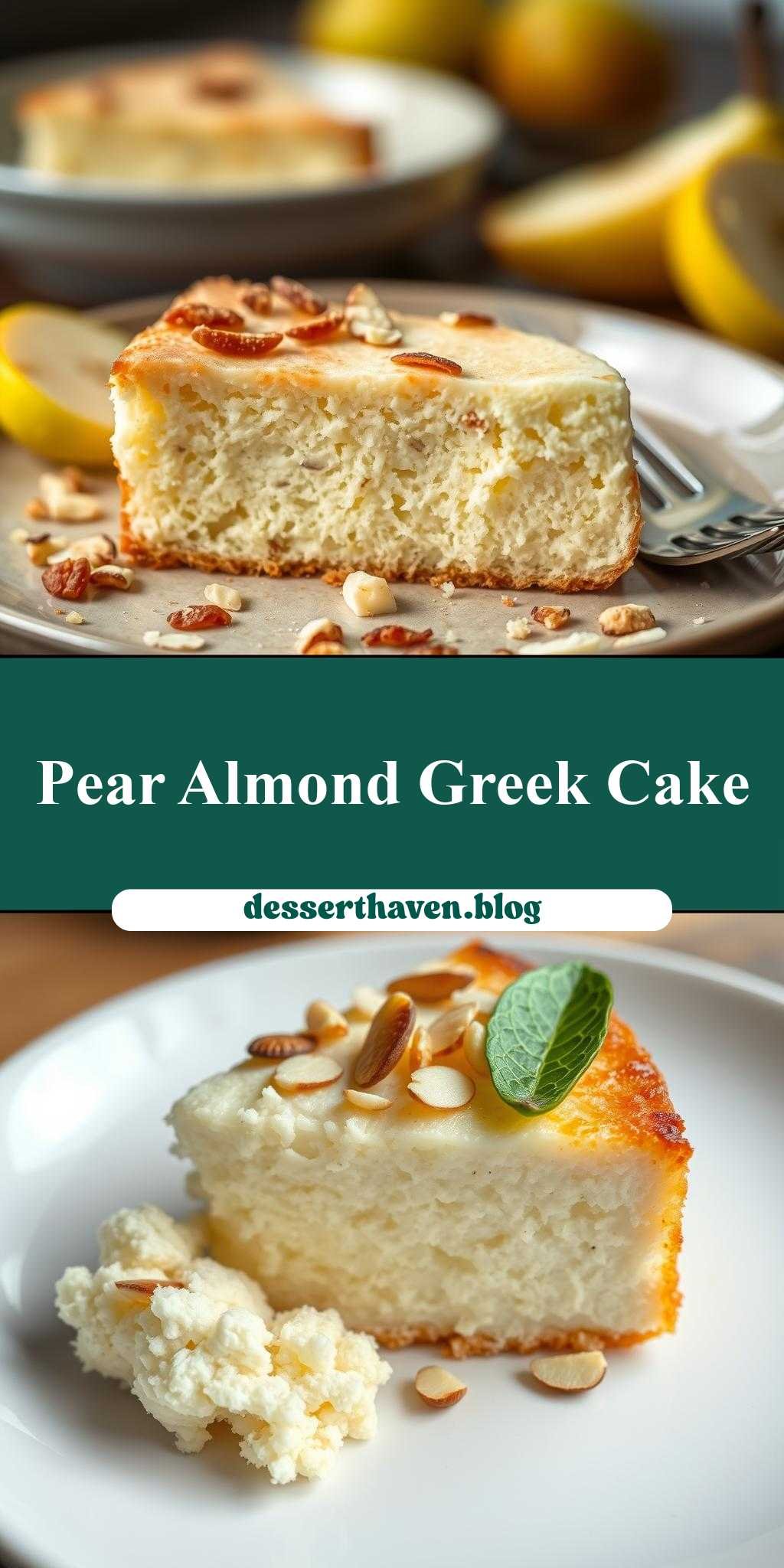
What makes a perfect breakfast cake? This effortless pear almond Greek yogurt cake is a game changer with its light fluffy texture, made easy with homemade Greek yogurt and sweet pears, save this idea for a quick and delicious weeknight treat.
Effortless Pear Almond Greek Yogurt Cake with a Light, Fluffy Texture
Introduction
Imagine a cake that is as easy to make as it is delicious, with the sweetness of pears and the nutty flavor of almonds, all wrapped up in a moist and fluffy texture thanks to the magic of Greek yogurt. This Effortless Pear Almond Greek Yogurt Cake is a masterpiece of simplicity, requiring minimal effort but yielding impressive results. It’s perfect for a quick dessert or snack, utilizing everyday ingredients that you might already have in your pantry. The combination of flavors and textures is not only tantalizing but also incredibly versatile, allowing for creativity and personal touches. Whether you’re a seasoned baker or a beginner in the kitchen, this recipe is sure to become a favorite.
Why This Works
- Flavor balance and ingredient accessibility: The cake combines the natural sweetness of pears with the earthy taste of almonds and the tanginess of Greek yogurt, creating a balanced flavor profile that is both comforting and exciting. The ingredients are readily available in most supermarkets, making it easy to whip up the cake at a moment’s notice.
- Ease of preparation: The recipe involves minimal steps and does not require any advanced baking techniques, making it perfect for those who are short on time or new to baking. The simplicity of the preparation process ensures that the cake turns out well even with minimal supervision.
- Impressive results with minimal effort: Despite its ease of preparation, the cake presents beautifully and tastes divine, making it an excellent choice for entertaining guests or special occasions. The light, fluffy texture and the combination of flavors are sure to impress anyone who tries it.
Key Ingredients
The main ingredients in this recipe include ripe pears, which provide natural sweetness and moisture; almonds, which add a delightful crunch and nutty flavor; Greek yogurt, which contributes to the cake’s moist and fluffy texture; and basic baking ingredients like flour, sugar, eggs, and olive oil. For those looking for substitutions, other types of yogurt can be used, though Greek yogurt is preferred for its thickness and tanginess. Almond flour can be substituted with regular flour, though this will slightly alter the flavor and texture. Pears can be replaced with other fruits like apples or peaches, offering a variety of flavor options.
Instructions
- Step 1: Begin by preheating your oven to 350°F (180°C). While the oven is heating up, peel, core, and chop the pears into small pieces. Also, chop the almonds into slivers or slice them, depending on your preference for texture. Measure out the rest of the ingredients to have them ready for mixing.
- Step 2: In a large mixing bowl, whisk together the flour, sugar, and a pinch of salt. In a separate bowl, whisk the eggs, Greek yogurt, and olive oil until smooth. Add the wet ingredients to the dry ingredients and mix until just combined, being careful not to overmix. Fold in the chopped pears and almonds.
- Step 3: Pour the batter into a greased and floured cake pan. If desired, arrange additional sliced pears on top of the batter for extra flavor and visual appeal. Bake the cake for about 35-40 minutes, or until a toothpick inserted into the center comes out clean. The top should be lightly golden, and the cake should spring back when touched.
- Step 4: Remove the cake from the oven and let it cool in the pan for 10 minutes before transferring it to a wire rack to cool completely. Once cooled, the cake can be served as is or dusted with powdered sugar. For an extra touch, a dollop of whipped cream or a sprinkle of cinnamon can be added on top.
Handy Tips
- One of the most important tips for this recipe is not to overmix the batter, as this can lead to a dense cake. Mix the wet and dry ingredients separately and gently fold them together until just combined.
- Choosing the right pears is crucial. Look for pears that are ripe but still firm, as they will hold their shape during baking and provide the best flavor.
- To enhance the almond flavor, consider adding a teaspoon of almond extract to the batter. This will give the cake a deeper, more pronounced almond taste without overpowering the other ingredients.
Heat Control
The ideal temperature for baking this cake is 350°F (180°C), and the baking time should be around 35-40 minutes. It’s essential to keep an eye on the cake after the 30-minute mark, as oven temperatures can vary. The cake is done when it’s lightly golden on top, springs back when touched, and a toothpick inserted into the center comes out clean. Avoid overbaking, as this can dry out the cake and make it less fluffy.
Crunch Factor
The crunch factor in this cake comes from the almonds, which add a satisfying texture contrast to the soft, fluffy cake. To achieve the perfect crunch, make sure not to overchop the almonds. Slicing or slivering them provides a nicer texture than finely chopping them. If you prefer a stronger crunch, you can toast the almonds in a pan for a few minutes before adding them to the batter, but be careful not to burn them.
Pro Kitchen Tricks
- For a professional finish, consider brushing the top of the cake with a little bit of milk or beaten egg before baking. This will give the cake a nice glaze and enhance the browning.
- To ensure the cake releases easily from the pan, make sure to grease the pan thoroughly and coat it with flour, tapping out any excess. This step is crucial for preventing the cake from sticking and making it difficult to remove.
- For easier cleanup, line the bottom of the cake pan with parchment paper before greasing and flouring it. This will make removing the cake and cleaning the pan much simpler.
Storage Tips
- The cake can be stored at room temperature for up to 2 days, wrapped tightly in plastic wrap or aluminum foil. For longer storage, it can be refrigerated for up to 5 days or frozen for up to 2 months. When freezing, wrap the cake tightly in plastic wrap and then in aluminum foil to prevent freezer burn.
- When reheating, remove the cake from the refrigerator and let it come to room temperature. If frozen, thaw the cake overnight in the refrigerator before serving. The cake can be served cold or warmed up slightly in the oven or microwave.
- Consider using an airtight container for storing the cake, especially if refrigerating or freezing. This will help maintain the cake’s moisture and freshness.
Gift Packaging Ideas
This cake makes a wonderful gift, especially when packaged thoughtfully. Consider placing the cake in a decorative tin or a sturdy cardboard box lined with parchment paper. Wrap the cake in plastic wrap or aluminum foil to keep it fresh, and then place it in the tin or box. Add a ribbon or a gift tag with a personal message for a touching gesture. For a more rustic look, the cake can be wrapped in a tea towel or a piece of cheesecloth, tied with twine, and adorned with a few fresh herbs or a sprinkle of cinnamon.
Flavor Variations
- Different spices: Adding a pinch of cinnamon, nutmeg, or cardamom can give the cake a unique twist. These spices complement the pear and almond flavors beautifully and add depth to the cake.
- Creative toppings: Instead of dusting with powdered sugar, consider topping the cake with a crumble made from oats, brown sugar, and butter, or a drizzle of honey and chopped nuts for added texture and flavor.
- Ingredient swaps: Swapping the pears with apples or peaches changes the flavor profile entirely. Apples will add a tartness, while peaches will introduce a sweet, summery flavor. Experimenting with different types of yogurt, like coconut or almond yogurt, can also offer interesting flavor variations.
Troubleshooting
- Texture problems: If the cake turns out too dense, it might be due to overmixing the batter. Try mixing the ingredients just until they come together, and then stop mixing. If the cake is too dry, it could be overbaked. Keep a closer eye on the baking time, and remove the cake from the oven when it’s still slightly tender in the center.
- Ingredient replacements: When substituting ingredients, keep in mind that each change can affect the final product. For example, using a different type of flour or sugar can alter the texture and flavor. Always test a new ingredient in a small batch before making a large cake.
- Over/undercooking signs: An overcooked cake will be dry and possibly cracked on top. An undercooked cake will be soggy in the center. Check the cake frequently towards the end of the baking time, and use a toothpick to test for doneness.
FAQs
- Can I freeze it? Yes, the cake can be frozen for up to 2 months. Wrap it tightly in plastic wrap and then in aluminum foil to prevent freezer burn.
- Is it gluten-free? The recipe as given includes wheat flour, making it not gluten-free. However, you can substitute the wheat flour with a gluten-free flour mix to make the cake gluten-free. Note that gluten-free flours can behave differently, so you might need to adjust the ratio of flours or add xanthan gum to help with texture.
- Can I double the recipe? Yes, the recipe can be doubled. Just keep in mind that you’ll need to adjust the baking time slightly. A larger cake will take longer to bake through, so check it frequently to avoid overcooking.
Conclusion
Making the Effortless Pear Almond Greek Yogurt Cake is a journey of discovery, not just a recipe to follow. It’s about exploring flavors, textures, and the joy of baking something truly special with minimal fuss. Whether you’re a fan of pears, almonds, or just love the simplicity of a well-made cake, this recipe is sure to delight. Feel free to experiment, share, and adapt it to your tastes and preferences. And most importantly, enjoy the process and the delicious outcome that comes from combining such wonderful ingredients in a dish that’s as effortless as it is impressive.