
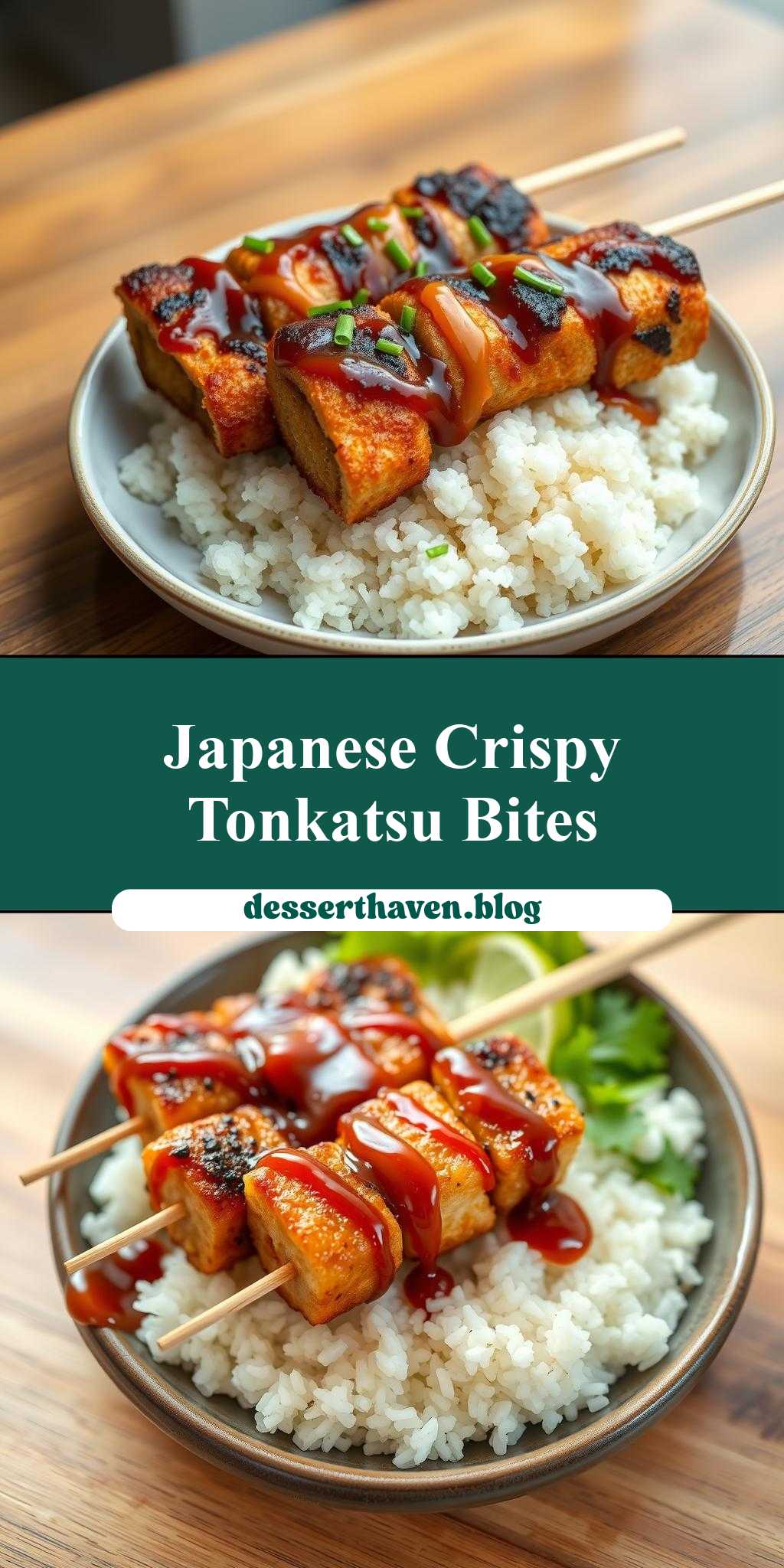
What makes a perfect weeknight dinner for you – is it quick, easy and full of flavor? Try making japanese kabobs with tonkatsu sauce and a side of homemade rice for a family favorite meal that is sure to please, save this idea for your next easy dinner inspiration
Japanese Kabobs with Tonkatsu Sauce and Rice
Introduction
Journey to the heart of Japan with a dish that embodies the perfect blend of flavors, textures, and simplicity: Japanese Kabobs with Tonkatsu Sauce and Rice. This recipe is a testament to the creativity and ease of cooking with everyday ingredients, elevated to a gourmet level with the distinctive Tonkatsu sauce. Whether you’re a seasoned chef or a culinary beginner, this dish promises to deliver an explosion of flavors with minimal effort, making it an ideal choice for a quick dinner or an impressive meal for guests. The combination of tender chicken, crunchy vegetables, and the savory Tonkatsu sauce, all served over a bed of fluffy Japanese rice, creates a culinary experience that is both comforting and exotic.
Why This Works
- Flavor balance and ingredient accessibility: The key to this dish is the balance of flavors, from the savory Tonkatsu sauce to the natural sweetness of the vegetables, all complemented by the richness of the chicken. The ingredients are easily accessible, making this a practical choice for any meal.
- Ease of preparation: Despite its impressive presentation, Japanese Kabobs with Tonkatsu Sauce and Rice are remarkably easy to prepare. The steps are straightforward, and the cooking time is relatively short, making it perfect for busy evenings.
- Impressive results with minimal effort: The presentation of kabobs, paired with the aromatic Tonkatsu sauce and steaming rice, makes for a dish that looks and tastes like it was prepared in a professional kitchen, all with minimal fuss and effort.
Key Ingredients
The main ingredients for this recipe include chicken breast, cut into bite-sized pieces for the kabobs; a variety of colorful vegetables such as bell peppers, onions, and mushrooms, which add texture and flavor; Japanese rice, which provides a simple yet essential base for the dish; and Tonkatsu sauce, the star of the show, which brings all the flavors together with its sweet and tangy notes. For practical substitutions, chicken can be replaced with beef or pork for a different twist, and vegetables can be mixed and matched based on personal preference and seasonal availability. Tonkatsu sauce, while unique, can be approximated with a mixture of Worcestershire sauce, soy sauce, and a touch of sugar for those who can’t find it in stores.
Instructions
- Step 1: Begin by preparing your ingredients. Cut the chicken into bite-sized pieces and season with salt and pepper. Slice the vegetables into similar sizes to ensure even cooking. Cook the Japanese rice according to the package instructions.
- Step 2: Thread the chicken and vegetables onto skewers, leaving a little space between each piece for even cooking. Brush the skewers with a little oil and season with any additional desired spices or herbs.
- Step 3: Grill or broil the kabobs until the chicken is cooked through and the vegetables are tender. Meanwhile, warm the Tonkatsu sauce by gently heating it in a saucepan or in the microwave.
- Step 4: To serve, place a portion of cooked Japanese rice on a plate, add a few kabobs on top, and drizzle generously with the Tonkatsu sauce. Garnish with sesame seeds and chopped green onions for added flavor and presentation.
Handy Tips
- For the best results, make sure to soak the bamboo skewers in water for at least 30 minutes before threading the ingredients to prevent them from burning during cooking.
- Experiment with different vegetables and proteins to keep the dish interesting and tailored to your tastes.
- Don’t overcrowd the skewers, as this can lead to uneven cooking and a less appealing presentation.
Heat Control
When cooking the kabobs, it’s essential to control the heat to achieve the perfect doneness. For grilling, medium-high heat is ideal, while broiling requires a close eye to prevent burning. The chicken should be cooked through, reaching an internal temperature of 165°F (74°C), and the vegetables should be tender but still crisp. Adjust the cooking time based on the thickness of the ingredients and the heat level.
Crunch Factor
The crunch factor in this dish comes from the slightly charred exterior of the vegetables and the crispy edges of the chicken, contrasted with the tender interior of both. To achieve this, ensure that the kabobs are not overcrowded on the grill or broiler, allowing for a good sear on each piece. Additionally, don’t overcook the vegetables; they should retain some of their natural crunch.
Pro Kitchen Tricks
- Marinate the chicken and vegetables in a mixture of soy sauce, sake, and sugar for a few hours before cooking for added depth of flavor.
- Use a variety of mushrooms, such as shiitake and button, for a mix of textures and earthy flavors.
- Keep the Tonkatsu sauce warm by placing the saucepan over low heat or using a thermos, ensuring it’s ready to serve at the perfect temperature.
Storage Tips
- Leftover kabobs can be stored in an airtight container in the refrigerator for up to 2 days. Reheat gently in the oven or microwave until warmed through.
- Cooked Japanese rice can be stored similarly but is best consumed within a day for optimal freshness and texture.
- Tonkatsu sauce can be made ahead and stored in the fridge for up to a week. It can also be frozen for longer storage, thawing when needed.
Gift Packaging Ideas
While not traditional, Japanese Kabobs with Tonkatsu Sauce and Rice can be gifted in creative ways, such as packaging the sauce in decorative jars, pairing it with a bag of Japanese rice and skewers for a DIY meal kit, or even preparing the kabobs and storing them in insulated containers for a ready-to-eat gift. Add a personal touch with a handwritten recipe card or a small plant, like a bonsai tree, for a thoughtful and unique gift.
Flavor Variations
- Different spices: Experiment with various spice blends, such as curry powder or smoked paprika, to give the kabobs a distinct flavor profile.
- Creative toppings: Add sesame seeds, chopped scallions, or grated daikon for additional texture and flavor on top of the dish.
- Ingredient swaps: Replace chicken with tofu or tempeh for a vegetarian or vegan version, or use different types of protein like beef or pork for a change of pace.
Troubleshooting
- Texture problems: If the chicken is too dry, it may have been overcooked. Adjust cooking times and ensure the chicken is not overcrowded. For mushy vegetables, check the cooking time and heat level.
- Ingredient replacements: If a specific ingredient is not available, consider substitutes that offer similar textures and flavors. For example, chicken can be replaced with pork or beef, and Tonkatsu sauce can be approximated with a homemade version.
- Over/undercooking signs: Keep an eye on the internal temperature of the chicken and the tenderness of the vegetables. Adjust cooking times as necessary to prevent overcooking.
FAQs
- Can I freeze it? Yes, cooked Japanese Kabobs with Tonkatsu Sauce and Rice can be frozen for up to 3 months. Thaw and reheat gently when needed.
- Is it gluten-free? The dish can be gluten-free if you use gluten-free soy sauce and ensure the Tonkatsu sauce is gluten-free. Always check the ingredients of store-bought sauces to confirm.
- Can I double the recipe? Absolutely, this recipe can be doubled or tripled to serve larger crowds. Just ensure you have enough grill or broiler space to cook all the kabobs at once.
Conclusion
In conclusion, Japanese Kabobs with Tonkatsu Sauce and Rice offer a delightful culinary adventure that is easy to embark on, thanks to the accessibility of the ingredients and the simplicity of the preparation. This dish is a versatile canvas waiting for your personal touches and creativity, whether through the choice of vegetables, the marinade for the chicken, or the presentation. It’s a meal that can be enjoyed on a busy weeknight or served at a dinner party, impressing your guests with its flavors and presentation. So, don’t hesitate to experiment, share, and enjoy this wonderful dish that brings a taste of Japan right to your table.