
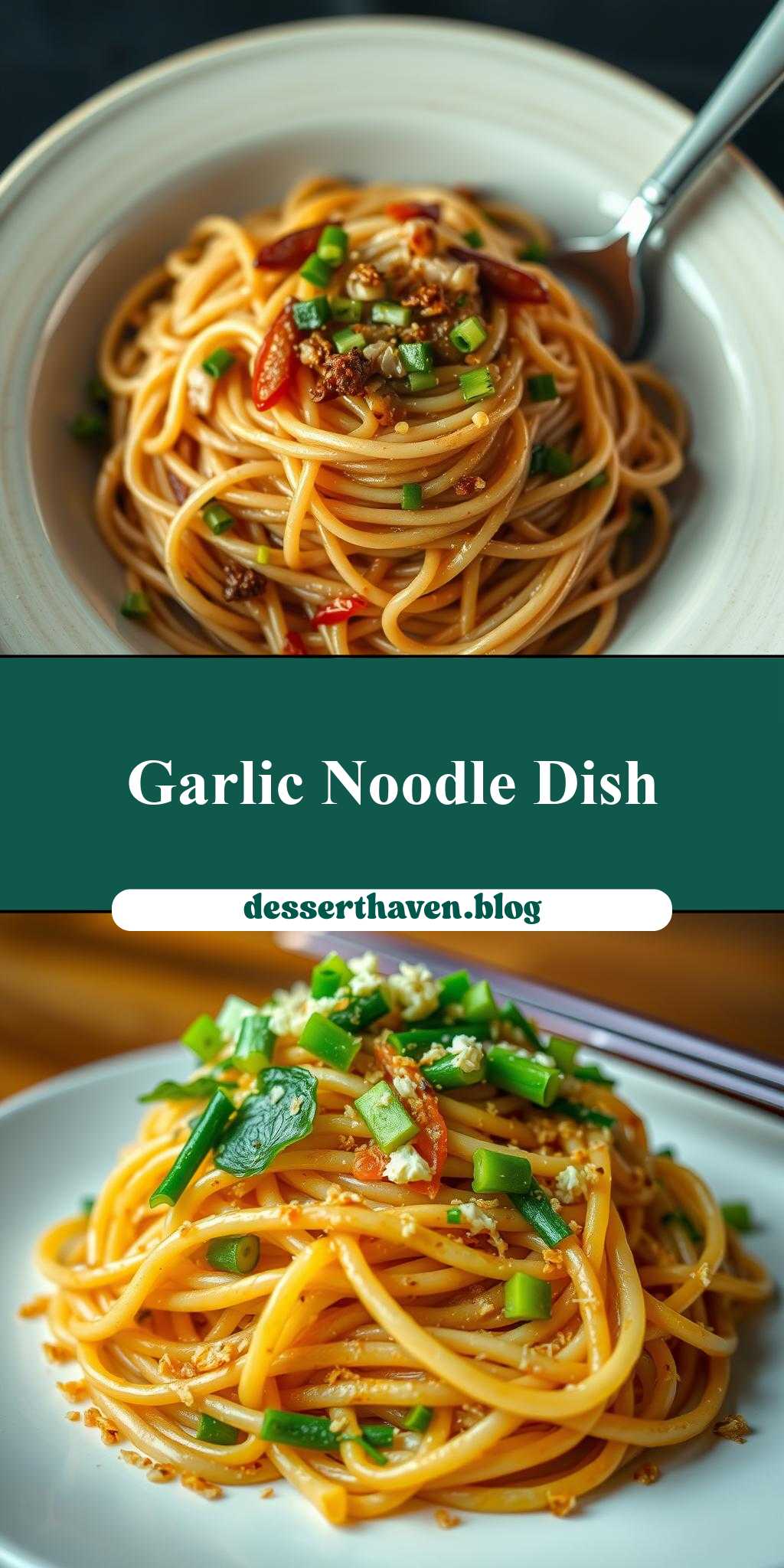
What makes a perfect weeknight dinner? For me, it’s a plate of savory garlic noodles, made easy with just a few key ingredients like fresh garlic and homemade pasta. This quick family favorite is a staple in our household, and I love that it’s ready in no time. Save this idea for a delicious homemade meal Pin for later
Garlic Noodles
Introduction
Imagine a dish so simple, yet so packed with flavor, that it becomes a staple in your kitchen. Garlic noodles are exactly that – a harmonious balance of garlic, noodles, and often, your choice of protein or vegetables, all coming together in a culinary symphony that is both easy to make and incredibly satisfying. The beauty of garlic noodles lies in their versatility and the ease with which they can be prepared, making them perfect for a quick weeknight dinner or a special occasion meal. With just a few everyday ingredients, you can create a dish that is not only delicious but also impressive, showcasing the magic that happens when creativity meets simplicity in the kitchen.
Why This Works
- Flavor balance and ingredient accessibility: The key to garlic noodles is achieving a perfect balance of flavors, which is easily done with commonly found ingredients like garlic, olive oil, and your choice of noodles. This accessibility makes the dish highly adaptable to different tastes and dietary needs.
- Ease of preparation: One of the most appealing aspects of garlic noodles is how quickly and easily they can be prepared. From start to finish, you can have a delicious meal on the table in under 30 minutes, making it ideal for busy lifestyles.
- Impressive results with minimal effort: Despite the simplicity of the ingredients and the preparation process, garlic noodles can be presented in a way that is both elegant and appetizing, perfect for serving to guests or enjoying as a special treat.
Key Ingredients
The foundation of garlic noodles includes high-quality noodles, preferably fresh, a generous amount of garlic, and a good olive oil. These ingredients provide the base flavor profile. Additional ingredients can include protein sources like chicken, beef, or tofu, and vegetables such as bell peppers, carrots, and broccoli, which add texture, flavor, and nutritional value. For those looking for substitutions, zucchini noodles or shirataki noodles can be great low-carb alternatives, while vegan butter or avocado oil can replace traditional olive oil.
Instructions
- Step 1: Begin by preparing your ingredients. This includes chopping the garlic finely to release its oils and flavors, slicing any vegetables you plan to use, and cooking your protein if necessary. Measure out your noodles and have them ready to cook according to the package instructions.
- Step 2: Cook your noodles. Bring a large pot of salted water to a boil and cook your noodles until they are al dente. Reserve some of the pasta water before draining the noodles, as this can be used later to achieve the perfect sauce consistency.
- Step 3: In a large skillet, heat your olive oil over medium heat. Add the chopped garlic and sauté until fragrant, being careful not to burn it. Add any sliced vegetables and cook until they are tender, then add your cooked protein if using. Season with salt, pepper, and any additional spices you prefer.
- Step 4: Combine the cooked noodles with the garlic and vegetable mixture. Toss everything together, adding some of the reserved pasta water if the mixture seems too dry. Serve hot, garnished with parsley or parmesan cheese for added flavor and presentation.
Handy Tips
- When cooking garlic, it’s essential to monitor the heat and stirring to prevent burning, which can quickly turn the dish bitter. Using a mixture of olive oil and butter can help prevent garlic from burning by raising its smoke point.
- For an extra burst of flavor, consider roasting your garlic before mincing it. Simply slice the top off a whole head of garlic, drizzle with olive oil, and roast at 400°F (200°C) for about 20-25 minutes, or until the cloves are tender and mashed easily.
- Experiment with different types of noodles and seasonings to find your favorite combinations. Asian-style rice noodles with soy sauce and sesame oil, or Italian spaghetti with parmesan and basil, can offer entirely new dimensions to the dish.
Heat Control
Heat control is crucial when making garlic noodles, especially when sautéing the garlic. It’s recommended to keep the heat at a medium to medium-low setting to prevent the garlic from burning. When cooking the noodles, ensure the water is at a rolling boil, then reduce the heat to a simmer once the noodles are added to prevent overcooking. For the sauce, maintaining a gentle simmer can help the flavors meld together without burning the garlic or causing the sauce to reduce too quickly.
Crunch Factor
Achieving the right texture in garlic noodles can elevate the dish significantly. Adding crunchy elements such as toasted pine nuts, crispy bacon, or sautéed vegetables can provide a satisfying contrast to the soft noodles. For an extra crunch, consider sprinkling some toasted sesame seeds or chopped fresh herbs on top of the dish before serving.
Pro Kitchen Tricks
- One of the professional tricks to enhance the flavor of garlic noodles is to use a combination of garlic infusion methods. For example, roasting garlic as mentioned earlier, then mixing it with raw garlic for an added depth of flavor.
- Using high-quality ingredients can make a significant difference. Freshly made noodles, if possible, or premium store-bought varieties, along with good quality olive oil and real parmesan cheese, can elevate the dish.
- For cleanup, a helpful trick is to wipe down your kitchen surfaces and utensils immediately after use, especially if you’ve been handling garlic. A mixture of equal parts water and white vinegar can help remove garlic residue and odor from utensils and boards.
Storage Tips
- Leftover garlic noodles can be stored in an airtight container in the refrigerator for up to 3 days. Reheating is best done in a pan with a little oil or in the microwave with a splash of water to prevent drying out.
- For longer storage, consider freezing the cooked noodles and sauce separately. Frozen noodles can be reheated by boiling them briefly, while the sauce can be thawed and reheated in a pan.
- When storing, make sure the noodles and sauce are cooled down to room temperature before refrigerating or freezing to prevent moisture buildup and food safety issues.
Gift Packaging Ideas
Garlic noodles can be a thoughtful gift, especially when packaged in a decorative jar or container. Consider layering cooked noodles, sauce, and toppings in a large mason jar for a visually appealing gift. Add a ribbon around the lid and a gift tag with reheating instructions for a personal touch. For a more substantial gift, pair the noodles with a bottle of premium olive oil, a block of parmesan cheese, and a few fresh herbs for a complete culinary experience.
Flavor Variations
- Different spices: Adding a pinch of red pepper flakes for a spicy kick, or some dried basil for an Italian twist, can completely change the flavor profile of the dish.
- Creative toppings: Experiment with various toppings such as grilled chicken, roasted vegetables, fried shallots, or a dollop of sour cream to add texture and flavor.
- Ingredient swaps: Substituting garlic with shallots or leeks, or using different types of oil like avocado or grapeseed oil, can offer unique flavor dimensions.
Troubleshooting
- Texture problems: If the noodles are too sticky, rinsing them with cold water after cooking can help. For a sauce that’s too thick, adding a bit of the reserved pasta water can thin it out.
- Ingredient replacements: If you’re out of a particular ingredient, don’t be afraid to substitute. For example, using green onions instead of garlic or swapping chicken for tofu can still yield a delicious meal.
- Over/undercooking signs: Noodles that are overcooked will be mushy and unappetizing. Undercooked noodles, on the other hand, will be hard and crunchy. Aim for the al dente texture, where the noodles still have a bit of bite to them.
FAQs
- Can I freeze it? Yes, garlic noodles can be frozen, but it’s best to freeze the noodles and sauce separately for easier reheating and to prevent the noodles from becoming mushy.
- Is it gluten-free? Depending on the type of noodles used, garlic noodles can be gluten-free. Opt for gluten-free noodle options like rice noodles or zucchini noodles for a gluten-free version.
- Can I double the recipe? Absolutely, garlic noodles are easily scalable. Just remember to adjust the cooking time slightly if you’re cooking a larger quantity of noodles.
Conclusion
Garlic noodles are a testament to the simplicity and elegance of culinary art. With a few basic ingredients and some creativity, you can create a dish that is not only delicious but also visually appealing and satisfying. Whether you’re a seasoned chef or a beginner in the kitchen, garlic noodles offer a versatile canvas for experimentation and personalization. So, don’t be afraid to try new flavors, ingredients, and presentation ideas. Share your creations with friends and family, and enjoy the journey of culinary exploration that garlic noodles invite you to embark on.