
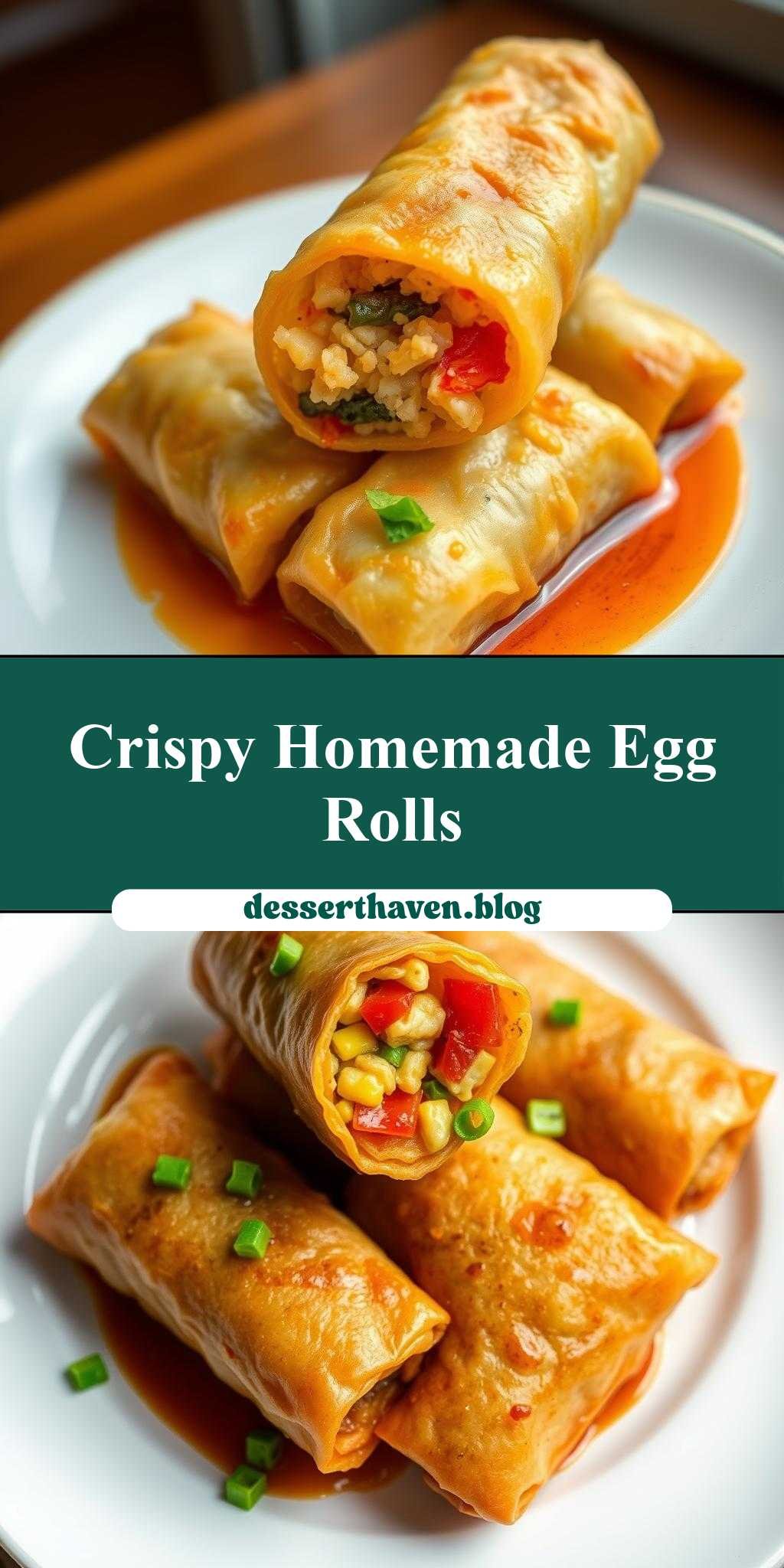
What makes the perfect egg roll? It’s all about the balance of tender veggies and savory meat wrapped in a delicate homemade wrapper, pan-fried to a crispy golden brown. With simple ingredients like shredded cabbage and ground pork, you can create a quick and easy weeknight dinner that’s a family favorite. Save this idea for a delicious homemade egg roll recipe to try soon
The Best Homemade Egg Rolls
Introduction
Making the best homemade egg rolls is easier than you think, and with a few simple ingredients, you can create a delicious and impressive dish that’s perfect for any occasion. Whether you’re a seasoned cook or a beginner in the kitchen, this recipe is designed to be easy to follow and adaptable to your tastes. Using everyday ingredients, you can create a flavor balance that will impress your family and friends, and with a little creativity, you can make this dish truly special. From the crunch of the vegetables to the savory flavor of the meat, every bite is a delight, and the best part is, you can customize it to your liking.
Why This Works
- Flavor balance and ingredient accessibility: This recipe uses common ingredients that are easily found in most supermarkets, and the combination of flavors creates a perfect balance of sweet, sour, and savory.
- Ease of preparation: The steps are simple, and the ingredients are easy to prepare, making this recipe a great option for a quick and delicious meal.
- Impressive results with minimal effort: Despite the simplicity of the recipe, the end result is impressive and sure to please even the pickiest eaters.
Key Ingredients
The main ingredients for this recipe include 1 package of egg roll wrappers, 1/2 cup of finely chopped cabbage, 1/2 cup of finely chopped carrots, 1/2 cup of cooked and shredded chicken or pork, 1/4 cup of chopped scallions, 2 cloves of garlic, minced, 2 tablespoons of soy sauce, 2 tablespoons of oyster sauce (optional), 1 tablespoon of sesame oil, and salt and pepper to taste. You can also use other ingredients like bean sprouts, mushrooms, or bamboo shoots to add more flavor and texture to your egg rolls. For a vegetarian version, you can substitute the meat with tofu or tempeh, and for a vegan version, you can use vegan-friendly sauces and seasonings.
Instructions
- Step 1: Begin by preparing the filling ingredients. Finely chop the cabbage, carrots, and scallions, and cook and shred the chicken or pork. In a small bowl, mix together the soy sauce, oyster sauce (if using), and sesame oil.
- Step 2: In a large bowl, combine the chopped cabbage, carrots, scallions, and cooked meat. Add the sauce mixture and stir until everything is well combined.
- Step 3: Lay an egg roll wrapper on a flat surface with one corner pointing towards you. Place about 1 tablespoon of the filling in the center of the wrapper. Brush the edges of the wrapper with a little water, and then fold the bottom corner over the filling, followed by the sides and finally the top corner. Repeat with the remaining wrappers and filling.
- Step 4: Heat about 1-2 inches of vegetable oil in a large skillet over medium-high heat. When the oil is hot, add a few of the egg rolls to the skillet (do not overcrowd) and fry until they are golden brown and crispy, about 3-4 minutes on each side. Repeat with the remaining egg rolls.
Handy Tips
- Make sure to handle the egg roll wrappers gently, as they can tear easily. If a wrapper does tear, you can try to repair it with a little water or start again with a new wrapper.
- Don’t overfill the egg rolls, as this can make them difficult to seal and can lead to them bursting open during frying.
- Experiment with different fillings and seasonings to create unique flavor combinations.
Heat Control
When frying the egg rolls, it’s essential to maintain the right temperature to achieve crispy and golden-brown results. The ideal temperature for frying egg rolls is between 350°F and 375°F. If the oil is too hot, the egg rolls can burn on the outside before they are fully cooked on the inside, while oil that is too cool can result in greasy or undercooked egg rolls. To check if the oil is ready, you can drop a small piece of dough into the oil, and if it sizzles and rises to the surface, the oil is ready.
Crunch Factor
The crunch factor is essential for egg rolls, and to achieve this, you need to fry them until they are golden brown and crispy. The key is to not overcook them, as this can make them tough and chewy. When you remove the egg rolls from the oil, place them on a paper towel-lined plate to drain any excess oil, and serve them immediately. You can also bake the egg rolls in a preheated oven at 400°F for about 12-15 minutes, or until crispy and golden brown, for a healthier alternative.
Pro Kitchen Tricks
- Use a thermometer to ensure the oil has reached the correct temperature.
- Don’t overcrowd the skillet, as this can lower the oil temperature and result in greasy or undercooked egg rolls.
- Keep the egg rolls warm in a low-temperature oven (around 200°F) while frying the remaining egg rolls.
Storage Tips
- Leftover egg rolls can be stored in an airtight container in the refrigerator for up to 3 days.
- To reheat, simply fry the egg rolls again in hot oil or bake them in the oven until crispy and warm.
- You can also freeze the egg rolls for up to 2 months. Simply place them on a baking sheet lined with parchment paper and freeze until solid, then transfer them to a freezer-safe bag or container.
Gift Packaging Ideas
Egg rolls make a great gift, especially during the holidays or special occasions. You can package them in decorative tins or containers, or wrap them individually in plastic wrap or aluminum foil and place them in a gift basket. Add a personalized note or card, and you have a thoughtful and delicious gift that’s sure to please.
Flavor Variations
- Try adding different spices, such as cumin or coriander, to the filling for a unique flavor.
- Use various types of meat, such as beef or lamb, for a different twist.
- Experiment with different seasonings, such as soy sauce or oyster sauce, to add depth and umami flavor to the egg rolls.
Troubleshooting
- Texture problems: If the egg rolls are too greasy, it may be due to the oil being too hot or the egg rolls being overcooked. If they are too dry, it may be due to the oil being too cool or the egg rolls being undercooked.
- Ingredient replacements: If you can’t find a particular ingredient, you can try substituting it with something similar. For example, you can use cabbage instead of bok choy or carrots instead of bean sprouts.
- Over/undercooking signs: If the egg rolls are overcooked, they may be too dark or too crispy. If they are undercooked, they may be too light or too soft. Adjust the cooking time and temperature accordingly to achieve the perfect texture and color.
FAQs
- Can I freeze it? Yes, you can freeze the egg rolls for up to 2 months. Simply place them on a baking sheet lined with parchment paper and freeze until solid, then transfer them to a freezer-safe bag or container.
- Is it gluten-free? Yes, this recipe is gluten-free, making it a great option for those with gluten intolerance or sensitivity. However, be sure to check the ingredients of the egg roll wrappers and sauces to ensure they are gluten-free.
- Can I double the recipe? Yes, you can easily double or triple the recipe to make more egg rolls. Simply multiply the ingredients accordingly and adjust the cooking time and temperature as needed.
Conclusion
Making the best homemade egg rolls is a fun and rewarding experience that’s perfect for any occasion. With this recipe, you can create delicious and impressive egg rolls that are sure to please even the pickiest eaters. Don’t be afraid to experiment and try new ingredients and flavor combinations to make the recipe your own. And remember, practice makes perfect, so don’t be discouraged if your first batch doesn’t turn out exactly as you hoped. With a little patience and practice, you’ll be making perfect egg rolls in no time. So go ahead, give this recipe a try, and enjoy the delicious taste and crunchy texture of homemade egg rolls.