
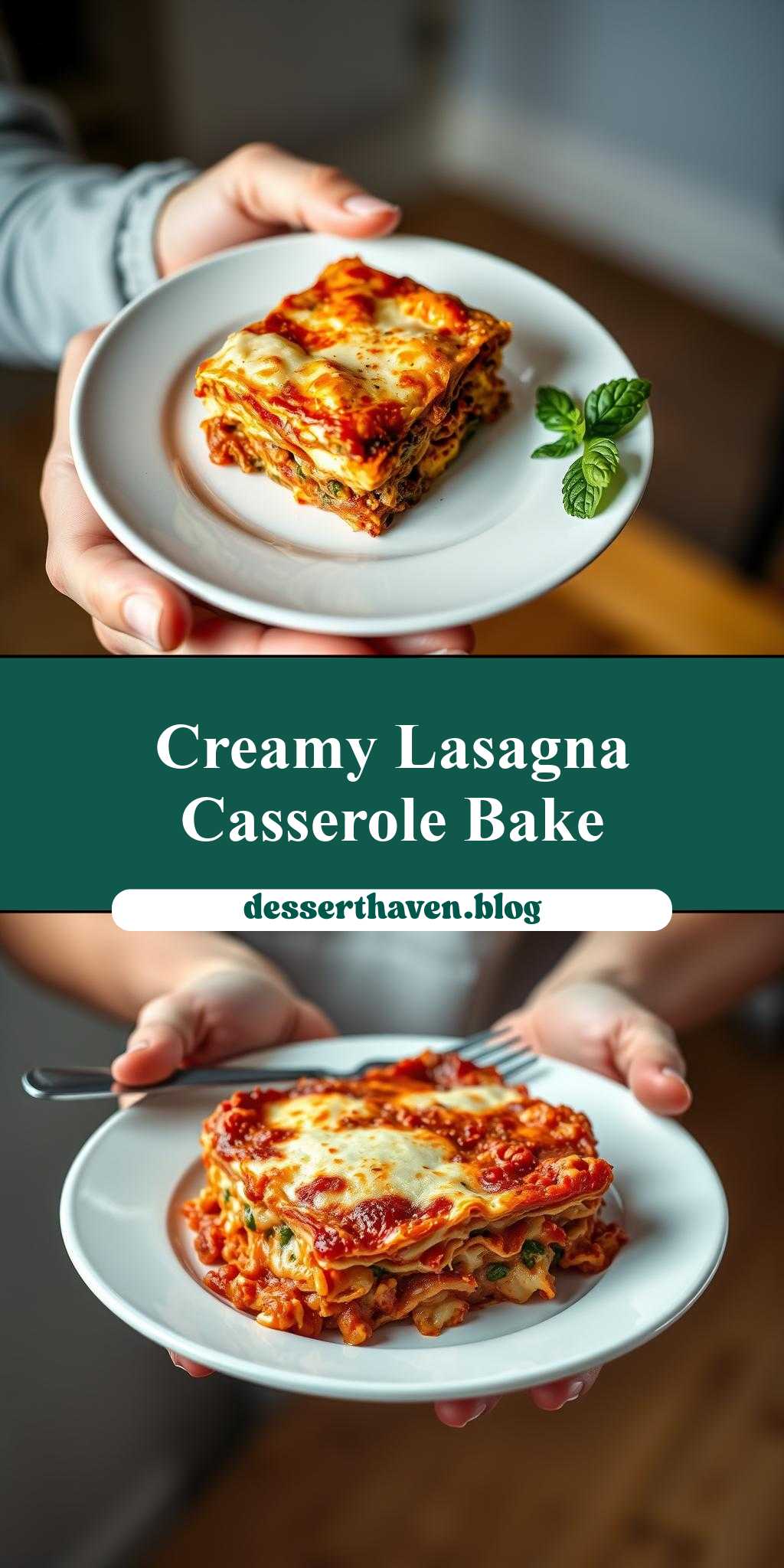
What makes a perfect weeknight dinner for you? For me, it’s a warm plate of homemade lasagna casserole loaded with ground beef and melted mozzarella. This easy recipe is a family favorite that’s quick to prepare and always a hit. Save this idea for a simple and satisfying meal solution.
a person holding a plate with lasagna casserole on it
Introduction
Imagine a dish so comforting, it warms the heart and fills the home with irresistible aromas. The classic lasagna casserole is a masterpiece of Italian cuisine, bringing together the perfect blend of flavors, textures, and creativity, all using everyday ingredients that are easily accessible. This beloved dish is not only a delight to the taste buds but also surprisingly easy to prepare, making it a staple for family dinners, special occasions, and even casual gatherings. With its impressive results requiring minimal effort, it’s no wonder why lasagna casserole remains a favorite among cooks of all skill levels. In this article, we’ll delve into the world of lasagna, exploring its magic, and providing you with a comprehensive guide to creating your own mouth-watering lasagna casserole.
Why This Works
- Flavor balance and ingredient accessibility: The beauty of lasagna lies in its balance of flavors, from the richness of the meat sauce and the creaminess of the ricotta, to the tanginess of the melted mozzarella. Moreover, the ingredients required are readily available in most supermarkets, making it a practical choice for any meal.
- Ease of preparation: Despite its layered complexity, lasagna is surprisingly easy to prepare. The steps are straightforward, from cooking the pasta and the sauce, to mixing the cheese filling, and finally, assembling and baking the casserole.
- Impressive results with minimal effort: One of the most appealing aspects of lasagna is the impressive presentation and flavor it offers with relatively minimal effort. The layered effect, combined with the golden-brown cheese on top, makes for a dish that looks as good as it tastes, perfect for impressing guests without spending hours in the kitchen.
Key Ingredients
The main ingredients in a classic lasagna casserole include lasagna noodles, a rich meat sauce (typically made with ground beef, tomato sauce, and herbs), ricotta cheese mixed with eggs and Parmesan, and mozzarella cheese for the top layer. Practical substitutions can be made to suit dietary preferences or ingredient availability. For instance, ground turkey or vegetarian options like mushrooms and spinach can replace ground beef, and dairy-free cheeses can be used for a vegan version. Understanding these ingredients and their roles in the dish is crucial for achieving the perfect lasagna casserole.
Instructions
- Step 1: Begin by prepping all your ingredients. This includes cooking the lasagna noodles according to the package instructions, browning the ground beef in a pan, and then adding the tomato sauce and herbs to make the meat sauce. Also, mix the ricotta cheese with eggs, Parmesan, and any desired herbs or spices.
- Step 2: Cook or mix the base ingredients. This step involves cooking the meat sauce until the flavors are well combined and the sauce has thickened slightly. It’s also the time to prepare any additional layers, such as sautéed spinach or sliced mushrooms.
- Step 3: Layer the flavors or textures in a baking dish. Start with a layer of meat sauce, followed by a layer of lasagna noodles, then a layer of the ricotta mixture, and finally a layer of shredded mozzarella. Repeat this process until all ingredients are used, ending with a layer of mozzarella on top.
- Step 4: Add the final touches and prepare for plating. Once the lasagna is assembled, cover it with aluminum foil and bake in a preheated oven at 375°F (190°C) for about 30 minutes. Remove the foil and continue baking for an additional 10-15 minutes, or until the cheese on top is melted and golden brown. Let it rest for a few minutes before slicing and serving.
Handy Tips
- Always cook the lasagna noodles slightly under the package instructions to prevent them from becoming too soft during baking. Also, don’t overmix the ricotta cheese mixture to keep it light and airy. For a crispy top, broil the lasagna for a couple of minutes after removing the foil, but keep an eye on it to prevent burning.
Heat Control
Heat control is crucial when baking lasagna to ensure that the cheese melts perfectly and the flavors meld together without the dish drying out. The ideal temperature is 375°F (190°C), and the baking time should be around 40-45 minutes in total. Signs of doneness include the cheese being melted and golden on top, and the sauce bubbling slightly at the edges. It’s also important to let the lasagna rest for about 10-15 minutes before serving to allow the juices to redistribute and the cheese to set.
Crunch Factor
The crunch factor in lasagna typically comes from the golden-brown cheese on top and possibly some added crunchy elements like toasted pine nuts or crispy fried onions. To achieve a nice crunch on top, it’s essential to not overbake the lasagna and to broil it for a short time at the end if desired. Additionally, ensuring that the cheese is evenly spread and not too thick can help in achieving a beautifully melted and slightly crunchy top layer.
Pro Kitchen Tricks
- One expert tip for better results is to let the lasagna cool completely before refrigerating or freezing it. This helps prevent the formation of condensation, which can make the lasagna soggy. Also, using high-quality ingredients, especially the cheese and the meat sauce, can elevate the flavor of the dish significantly. For cleanup hacks, lining the baking dish with parchment paper before assembling the lasagna can make the post-baking cleanup much easier.
Storage Tips
- For leftover storage, it’s best to cool the lasagna to room temperature, then cover it tightly with plastic wrap or aluminum foil and refrigerate. It can be safely stored in the fridge for up to 3 days. For reheating, a portion can be microwaved for a couple of minutes or reheated in the oven at a lower temperature (around 300°F or 150°C) for about 20-25 minutes, covered with foil to prevent drying out. Lasagna can also be frozen for up to 3 months. When freezing, it’s advisable to freeze it before baking, then thaw and bake as needed.
Gift Packaging Ideas
While lasagna itself might not be the first choice for gifting due to its perishable nature, it can be a thoughtful gesture for neighbors, friends, or family members, especially during holidays or special occasions. If considering gifting lasagna, it could be packaged in a disposable aluminum baking dish, covered with plastic wrap or aluminum foil, and decorated with a ribbon or a gift tag. Including a side of garlic bread or a simple green salad can add a lovely touch to the gift.
Flavor Variations
- Different spices: Adding unique spices or herbs to the meat sauce or the ricotta mixture can give the lasagna a distinct flavor. For example, a pinch of nutmeg or some dried basil can add depth and freshness.
- Creative toppings: Besides the traditional mozzarella, other cheeses like parmesan, gorgonzola, or feta can be used. Additionally, toppings such as caramelized onions, roasted bell peppers, or olives can add interesting flavors and textures.
- Ingredient swaps: Swapping ground beef with ground turkey, pork, or vegetarian options can change the flavor profile significantly. Using different types of cheese or adding some sautéed mushrooms and spinach can also provide a variation in taste and texture.
Troubleshooting
- Texture problems: If the lasagna turns out too dry, it might be due to overbaking or using too little sauce. On the other hand, if it’s too soggy, it could be from underbaking or excessive condensation during cooling.
- Ingredient replacements: When substituting ingredients, consider their flavor profiles and textures. For instance, replacing ricotta with cottage cheese will change the texture of the cheese layer.
- Over/undercooking signs: Overcooked lasagna will be dry and possibly burnt on top, while undercooked lasagna will be soggy and the cheese might not be fully melted. Keeping an eye on the baking time and checking the lasagna periodically can help avoid these issues.
FAQs
- Can I freeze it? Yes, lasagna can be frozen for up to 3 months. It’s best to freeze it before baking, then thaw and bake as needed.
- Is it gluten-free? Traditional lasagna noodles contain gluten, but there are gluten-free alternatives available. Ensure that the meat sauce and any additional ingredients are also gluten-free.
- Can I double the recipe? Yes, the recipe can be doubled or even tripled if needed. Just ensure that you have a large enough baking dish and adjust the baking time accordingly.
Conclusion
Creating a delicious lasagna casserole is a journey of flavors, textures, and love. With its ease of preparation, impressive presentation, and the joy it brings to the table, it’s a dish that never fails to satisfy. Whether you’re a seasoned cook or just starting your culinary adventures, lasagna is a versatile canvas waiting for your creativity. Don’t be afraid to experiment with different ingredients, spices, and toppings to make it your own. Share your lasagna with family and friends, and enjoy the warmth and happiness it brings to your gatherings. Happy cooking, and buon appetito!