
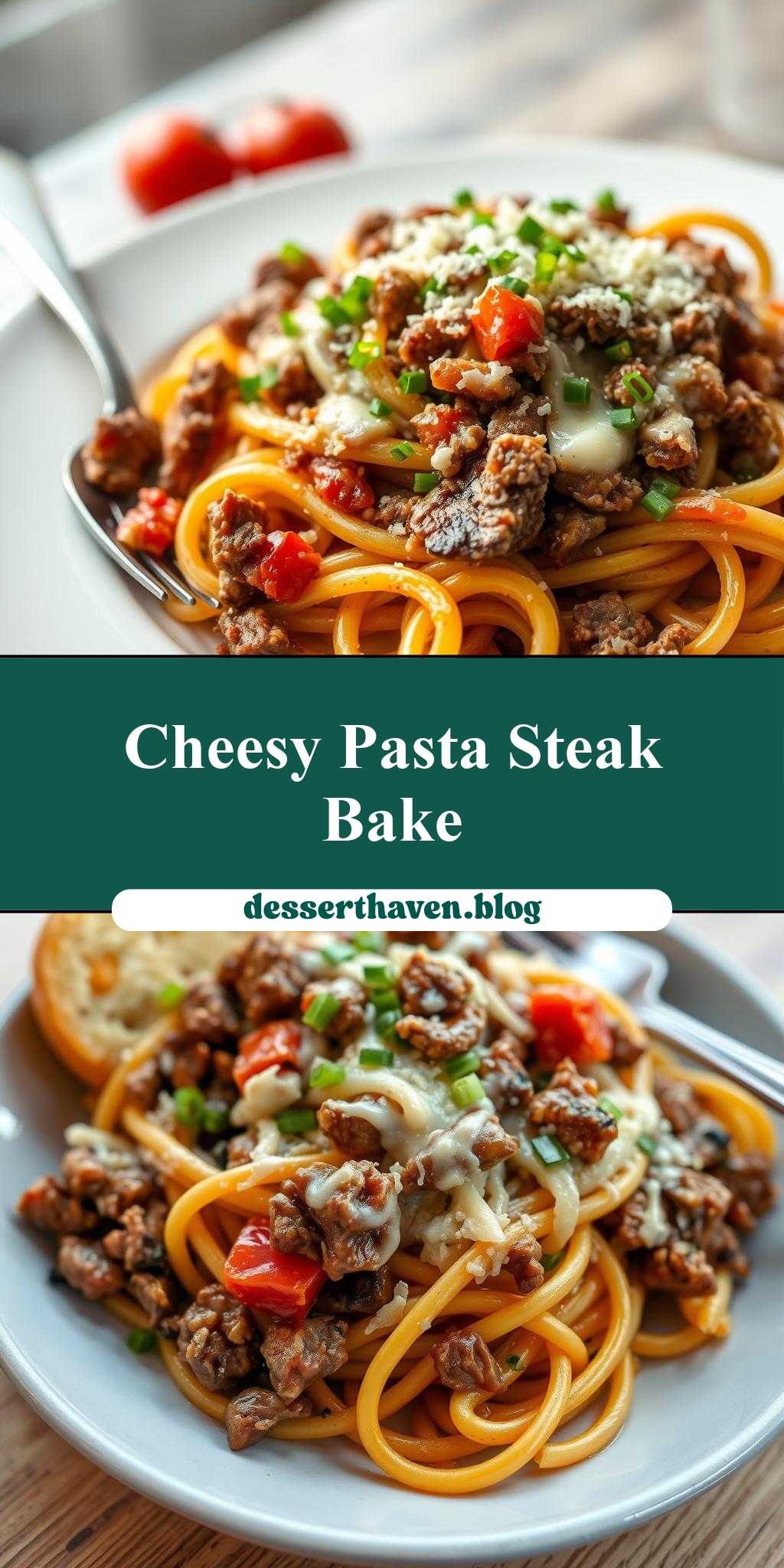
What if your favorite cheesesteak flavors merged with pasta for a quick and easy weeknight dinner solution? This homemade Philly Cheesesteak Pasta combines tender steak, sautéed onions, and melted mozzarella for a family favorite dish that’s perfect for busy nights. Save this idea to simplify your meal planning and try it soon.
Philly Cheesesteak Pasta
Introduction
Imagine a dish that combines the rich flavors of a Philly cheesesteak with the comforting warmth of pasta. This innovative recipe, Philly Cheesesteak Pasta, brings together the best of both worlds, using everyday ingredients to create a meal that’s both easy to prepare and bursting with flavor. By combining tender pasta, savory steak, and a blend of melted cheeses, this dish is perfect for a quick weeknight dinner or a special occasion. The beauty of this recipe lies in its simplicity and creativity, allowing you to enjoy the essence of Philly cheesesteak in a completely new and exciting way.
Why This Works
- Flavor balance and ingredient accessibility: The combination of steak, cheese, and pasta provides a well-rounded flavor profile that’s hard to resist, and the ingredients are easily found in most supermarkets.
- Ease of preparation: Despite its impressive outcome, this dish requires minimal effort and time, making it ideal for busy days.
- Impressive results with minimal effort: The layering of flavors and textures creates a sophisticated dish that’s sure to impress, whether you’re cooking for yourself or for guests.
Key Ingredients
The main ingredients in this recipe include pasta of your choice (such as penne or fusilli), thinly sliced steak (ribeye or sirloin work well), onions, bell peppers, garlic, a variety of cheeses (like mozzarella, cheddar, and parmesan), and some basic pantry items. For a vegetarian version, you could substitute the steak with portobello mushrooms or eggplant, maintaining the heartiness of the dish. Practical substitutions can also be made for the cheese, using what you have on hand or preferring a lighter option like part-skim mozzarella.
Instructions
- Step 1: Begin by preparing your ingredients. Chop the onions and bell peppers into thin slices, mince the garlic, and slice the steak into thin strips. Cook your pasta according to the package instructions until it’s al dente, then set it aside.
- Step 2: In a large skillet, heat a couple of tablespoons of olive oil over medium-high heat. Add the sliced steak and cook until it’s browned, about 3-4 minutes. Remove the steak from the skillet and set it aside. In the same skillet, add a bit more oil if necessary, then sauté the onions and bell peppers until they’re tender and lightly caramelized, which should take about 5 minutes. Add the minced garlic and cook for another minute, stirring constantly to prevent burning.
- Step 3: Add the cooked pasta to the skillet with the vegetables, stirring to combine. Then, add the cooked steak back into the skillet, along with any accumulated juices. Season with salt, pepper, and any other desired spices.
- Step 4: To finish the dish, reduce the heat to low and add the shredded cheese to the pasta mixture. Stir until the cheese is melted and well combined, creating a creamy sauce. Serve hot, garnished with chopped parsley or parmesan cheese for added flavor and presentation.
Handy Tips
- Using high-quality ingredients, especially the steak, can elevate the flavor of the dish significantly. However, feel free to use leftovers or less expensive cuts of meat as a substitute.
- Avoid overcooking the pasta, as it can become mushy and unappetizing. Al dente texture provides the best base for the cheesesteak flavors.
- For an extra crispy top, transfer the pasta to a baking dish, top with additional cheese, and bake in the oven until golden brown.
Heat Control
Heat control is crucial in this recipe, especially when cooking the steak and sautéing the vegetables. For the steak, aim for medium-high heat to achieve a nice sear, and adjust the heat as needed to prevent burning. When cooking the vegetables, a medium heat is preferable to allow for even cooking and to prevent the garlic from burning. The ideal internal temperature for the steak is at least 135°F for medium-rare, 145°F for medium, and 160°F for medium-well or well-done.
Crunch Factor
To achieve a satisfying crunch in your Philly Cheesesteak Pasta, consider adding some crispy elements on top. This could be toasted breadcrumbs, crispy fried onions, or even a sprinkle of crushed crackers. The crunch provides a pleasant texture contrast to the soft pasta and melted cheese, enhancing the overall dining experience.
Pro Kitchen Tricks
- For easier cleanup, prepare all your ingredients before starting to cook, and use the same skillet for cooking the steak, vegetables, and finally combining everything.
- To prevent the cheese from clumping, stir constantly when adding it to the pasta, and ensure the pasta is hot before adding the cheese for better melting.
- Letting the dish rest for a few minutes before serving can help the flavors meld together and the cheese set, resulting in a more cohesive and satisfying dish.
Storage Tips
- Leftovers can be stored in an airtight container in the refrigerator for up to 3 days. Reheat gently in the microwave or on the stovetop, adding a bit of water or broth if the pasta seems dry.
- For longer storage, consider freezing the dish before adding the cheese. Thaw and reheat, then add the cheese and stir until melted.
- When storing, it’s best to use glass or plastic containers that are safe for both refrigerator and freezer use.
Gift Packaging Ideas
If you’re considering gifting this dish, perhaps for a potluck or as a meal for a friend, it can be nicely packaged in a microwave-safe container with a clear lid, allowing the recipient to easily reheat and serve. Adding a sprinkle of parmesan cheese and some fresh parsley on top, along with a side of garlic bread or a green salad, can make the gift even more special and complete.
Flavor Variations
- Different spices: Consider adding a pinch of red pepper flakes for a spicy kick, or some dried oregano for an Italian twist.
- Creative toppings: In addition to the standard cheese, onions, and bell peppers, you could top your Philly Cheesesteak Pasta with diced tomatoes, olives, or even a dollop of sour cream.
- Ingredient swaps: For a vegan version, substitute the cheese with a vegan alternative and use portobello mushrooms or eggplant for the steak. You could also use different types of pasta, such as gluten-free options for those with dietary restrictions.
Troubleshooting
- Texture problems: If the pasta becomes too mushy, it was likely overcooked. For the next batch, aim for a firmer texture by cooking the pasta for less time.
- Ingredient replacements: If you can’t find ribeye or sirloin, other cuts of steak can be used. Just be aware that the flavor and tenderness may vary.
- Over/undercooking signs: The steak should feel firm to the touch when cooked to your desired level of doneness. Undercooked pasta will retain a hard core, while overcooked pasta will be soft and sticky.
FAQs
- Can I freeze it? Yes, you can freeze the Philly Cheesesteak Pasta, but it’s best to do so before adding the cheese. When you’re ready to eat it, thaw and reheat, then add the cheese.
- Is it gluten-free? The pasta typically used in this recipe contains gluten. However, you can easily make a gluten-free version by substituting with gluten-free pasta.
- Can I double the recipe? Absolutely, this recipe can be doubled or even tripled for larger crowds. Just be sure to use a large enough skillet and adjust the cooking time as needed.
Conclusion
Philly Cheesesteak Pasta is a versatile and delicious meal that combines the comfort of pasta with the savory flavors of a Philly cheesesteak. With its ease of preparation, impressive results, and numerous options for customization, this dish is perfect for anyone looking to spice up their meal routine. Whether you’re a steak lover, a pasta enthusiast, or just someone who appreciates good food, this recipe is sure to become a favorite. So don’t hesitate to get creative, share with friends and family, and enjoy the warmth and satisfaction that a well-cooked meal can bring.