
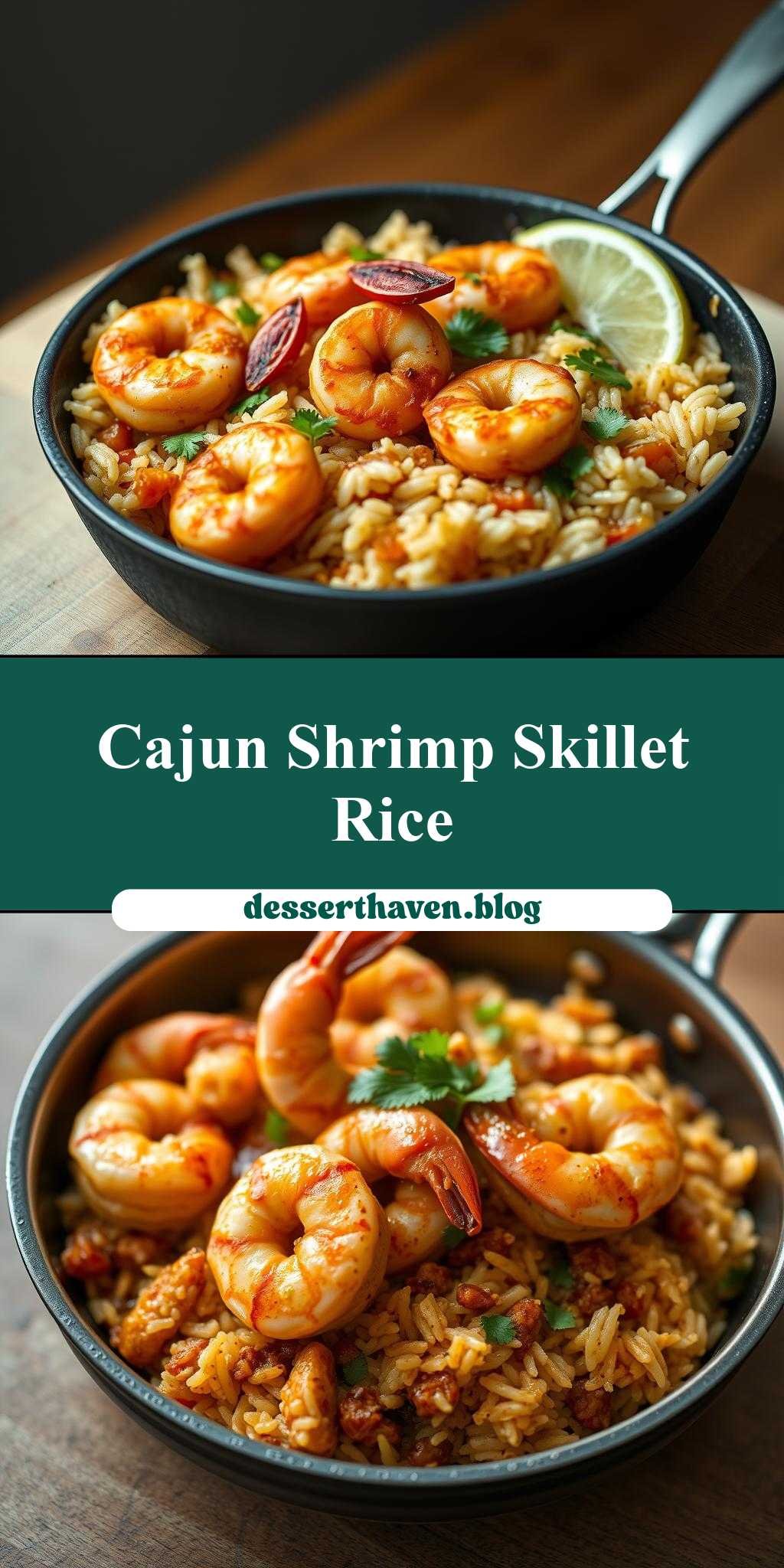
What’s the secret to a flavorful weeknight dinner that’s ready in no time? This cajun jambalaya with shrimp and rice is a quick, easy, and homemade family favorite that’s made entirely in a skillet with succulent shrimp and savory spices. Save this idea for a delicious homemade meal any night of the week.
cajun jambala with shrimp and rice in a skillet
Introduction
Cooking a delicious Cajun Jambalaya with shrimp and rice in a skillet is easier than you think, and it’s a perfect dish for those who love spicy flavors and hearty meals. This recipe is all about combining everyday ingredients in a creative way to produce a mouth-watering, one-pot wonder that will impress your family and friends. With its rich, smoky flavors and the simplicity of cooking everything in one skillet, this dish is a great way to spice up your meal routine without spending hours in the kitchen. Whether you’re a fan of Cajun cuisine or just looking for a new recipe to try, this Cajun Jambalaya with shrimp and rice is sure to become a favorite.
Why This Works
- Flavor balance and ingredient accessibility: This recipe strikes a perfect balance between spicy and savory, using ingredients that are easily found in most supermarkets.
- Ease of preparation: Despite its complex flavors, this dish is surprisingly easy to prepare, requiring minimal prep time and cooking everything in one skillet.
- Impressive results with minimal effort: The combination of shrimp, sausage, and rice, along with the blend of Cajun spices, creates a dish that looks and tastes like it was made in a professional kitchen, but with much less fuss.
Key Ingredients
The main ingredients in this recipe include large shrimp, smoked sausage (such as Andouille), uncooked white rice, diced tomatoes, onion, bell pepper, garlic, and a blend of Cajun spices. For the spices, you can use a store-bought Cajun seasoning mix or create your own blend using paprika, cayenne pepper, thyme, and oregano. Practical substitutions can be made for the sausage and spices to suit your taste preferences or dietary needs. For example, you can use chicken sausage for a leaner option or adjust the amount of cayenne pepper to suit your desired level of heat.
Instructions
- Step 1: Begin by chopping the onion, bell pepper, and garlic. Measure out the rice, diced tomatoes, and spices. This prep work will make the cooking process much smoother and faster.
- Step 2: Heat a large skillet over medium-high heat and add a tablespoon of olive oil. Once the oil is hot, add the sliced sausage and cook until browned, then remove it from the skillet and set aside. Next, add the chopped onion, bell pepper, and garlic to the skillet and sauté until the vegetables are tender.
- Step 3: Add the shrimp to the skillet and cook until they start to turn pink, then add the Cajun spices and stir to combine. Add the uncooked rice to the skillet, stirring to coat the rice with the oil and mix with the spices and vegetables. Then, add the diced tomatoes, browned sausage, and chicken broth to the skillet. Bring the mixture to a boil, then reduce the heat to low, cover the skillet, and simmer until the rice is cooked and the liquid has been absorbed.
- Step 4: Once the rice is cooked, turn off the heat and let the Jambalaya sit, covered, for a few minutes before serving. This allows the flavors to meld together and the rice to steam a bit more. Serve hot, garnished with chopped scallions or parsley, and enjoy the hearty, spicy goodness of your Cajun Jambalaya with shrimp and rice.
Handy Tips
- Use high-quality ingredients, especially the sausage and shrimp, as they will greatly impact the flavor of your dish. Fresh shrimp will give the best flavor and texture.
- Don’t overcook the shrimp; they should be pink and just cooked through to retain their tenderness.
- Adjust the heat level to your liking by adding more or less cayenne pepper. You can also add diced jalapeños or serrano peppers to the skillet with the onion and bell pepper for extra heat.
Heat Control
Heat control is crucial in this recipe, especially when cooking the sausage and shrimp. Start with a medium-high heat to get a good sear on the sausage, then reduce the heat to medium or medium-low when adding the shrimp to prevent them from cooking too quickly. When simmering the rice, keep the heat on low to prevent the bottom from burning and to ensure the rice cooks evenly. The ideal temperature for simmering is between 180°F and 190°F. Cooking time will depend on your stove and the specific ingredients used, but generally, the rice should be cooked and the liquid absorbed within 20-25 minutes of simmering.
Crunch Factor
The crunch factor in this dish comes from the browned sausage and the slight crunch of the vegetables. To achieve this, make sure to cook the sausage until it’s nicely browned on both sides, and don’t overcook the vegetables in the initial sautéing stage. A bit of texture contrast adds depth and interest to the dish. The rice should be tender but not mushy, and the shrimp should retain some firmness to the bite.
Pro Kitchen Tricks
- Use a cast-iron skillet for this recipe if you have one. Cast iron retains heat well and can achieve a nice sear on the sausage and shrimp.
- Don’t stir the rice too much once it’s added to the skillet. This can make the rice sticky or mushy. Instead, let it simmer undisturbed for a few minutes to allow it to cook evenly and absorb the flavors.
- For an extra rich flavor, add a tablespoon or two of filé powder towards the end of cooking. Filé powder is a spice made from ground sassafras leaves and is a traditional thickening and flavoring agent in gumbo and other Cajun dishes.
Storage Tips
- Leftover Jambalaya can be stored in the refrigerator for up to 3 days. It’s best to cool it down to room temperature before refrigerating to prevent bacterial growth.
- For reheating, add a little water or chicken broth to the Jambalaya if it seems dry, then heat it over low heat, stirring occasionally, until warmed through.
- This dish can also be frozen. Portion it out into airtight containers or freezer bags, label, and store in the freezer for up to 2 months. Reheat frozen Jambalaya by thawing it overnight in the refrigerator, then reheating as you would refrigerated leftovers.
Gift Packaging Ideas
While Jambalaya is typically a dish served hot and fresh, it can be packaged and gifted in creative ways, especially if you’re looking to share the flavors of Cajun cuisine with friends or family. Consider packaging cooled Jambalaya in decorative jars or containers, along with a bag of crusty French bread and a few sprigs of fresh parsley or scallions. You could also include a small bottle of hot sauce or a packet of Cajun seasoning to complement the dish. Wrap the containers in twine or ribbon, and include a handwritten recipe card or a note with serving suggestions for a personal touch.
Flavor Variations
- Different spices: Experiment with different blends of spices, such as adding more thyme for a herbal note or using smoked paprika for a deeper, smokier flavor.
- Creative toppings: Offer a variety of toppings to let everyone customize their Jambalaya, such as diced scallions, sour cream, shredded cheese, diced tomatoes, or sliced jalapeños.
- Ingredient swaps: Try using chicken or pork instead of sausage, or adding other seafood like scallops or mussels to the dish for added variety.
Troubleshooting
- Texture problems: If the rice is too mushy, it may have been overcooked or stirred too much. If it’s undercooked, you can cover the skillet and simmer for a few more minutes. For shrimp that are tough or rubbery, they may have been overcooked; aim for cooking them until they just turn pink and are still slightly tender.
- Ingredient replacements: If you can’t find Andouille sausage, you can substitute it with another smoked sausage or even use chorizo for a slightly different flavor profile. For those who don’t like shrimp, chicken or pork can be used as protein alternatives.
- Over/undercooking signs: Keep an eye on the rice and shrimp while they’re cooking. Rice should be tender and the liquid absorbed, while shrimp should be pink and just cooked through. If you notice the bottom of the skillet starting to burn, stir the Jambalaya and reduce the heat.
FAQs
- Can I freeze it? Yes, Jambalaya can be frozen for up to 2 months. Portion it out into airtight containers or freezer bags, making sure to cool it down to room temperature first.
- Is it gluten-free? This recipe is naturally gluten-free, making it a great option for those with gluten intolerance or sensitivity. However, always check the ingredients of your sausage and spices to ensure they are gluten-free.
- Can I double the recipe? Yes, you can easily double or triple this recipe for a larger crowd. Just keep in mind that you may need to use a larger skillet and adjust the cooking time slightly to ensure everything is cooked through.
Conclusion
Cooking a delicious Cajun Jambalaya with shrimp and rice in a skillet is a fun and rewarding culinary adventure that combines the rich flavors of Cajun cuisine with the simplicity of a one-pot meal. With its spicy kick, hearty portions, and ease of preparation, this dish is perfect for weeknights, special occasions, or anytime you want to add a little excitement to your meal routine. Don’t be afraid to experiment with the recipe, adjusting the spices and ingredients to suit your taste, and enjoy the process of creating something truly special.