
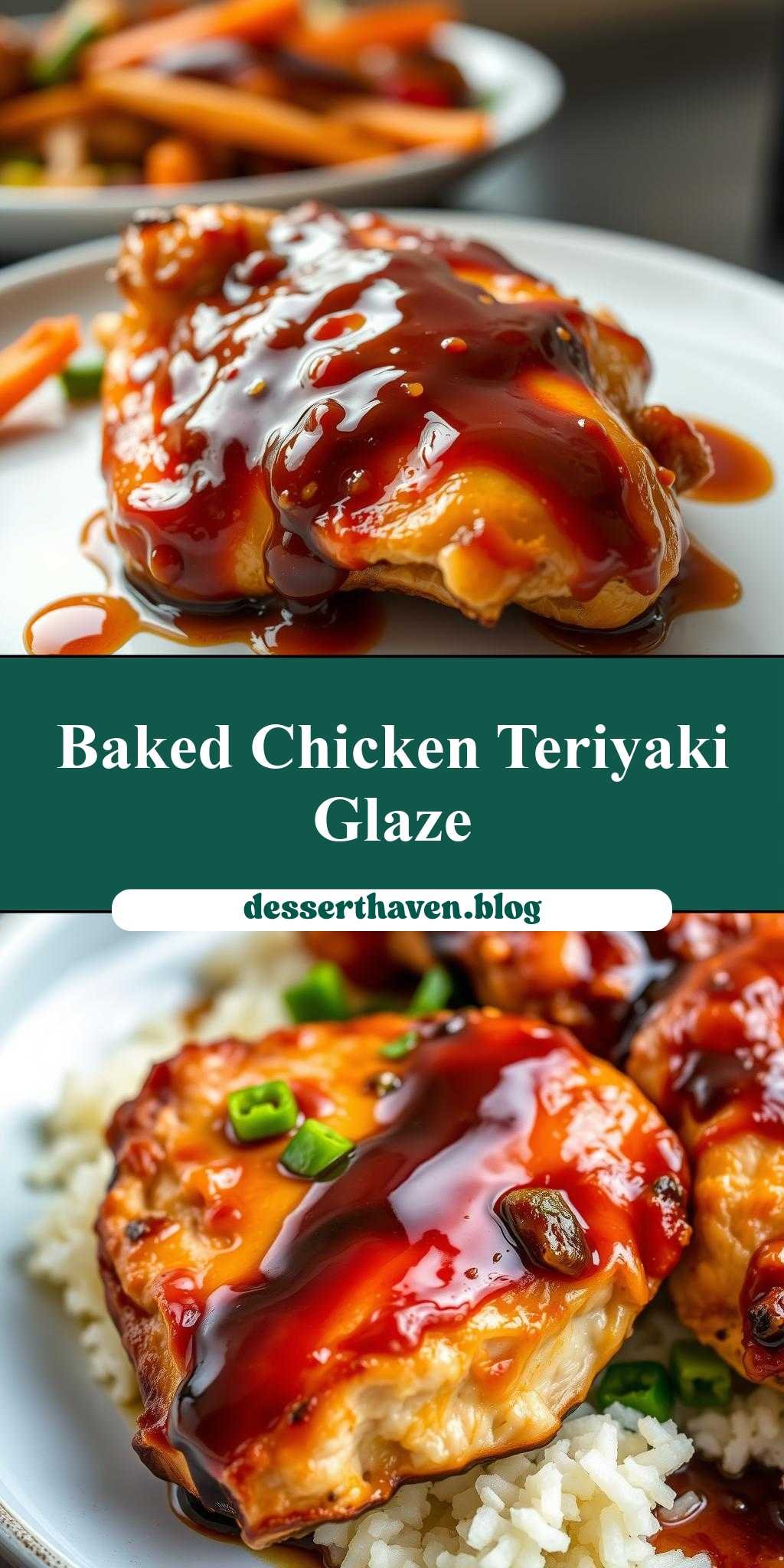
What makes the perfect weeknight dinner easier to achieve? A simple teriyaki glaze brushed over baked chicken creates a sticky sweet and savory homemade favorite, using just a few key ingredients like ginger and soy sauce. Save this idea for your next quick and easy family favorite meal.
Teriyaki-Glazed Baked Chicken
Introduction
Imagine sinking your teeth into a succulent piece of chicken, glazed to perfection with a sweet and savory teriyaki sauce, all without spending hours in the kitchen. This Teriyaki-Glazed Baked Chicken recipe is a masterpiece of simplicity and flavor, utilizing everyday ingredients to create a dish that’s both impressive and easy to make. Whether you’re a busy weeknight warrior or a weekend culinary enthusiast, this recipe is sure to become a staple in your household. It’s a testament to the magic that happens when creativity meets convenience, turning a ordinary chicken breast into a gastronomic delight.
Why This Works
- Flavor balance and ingredient accessibility: The teriyaki glaze strikes a perfect balance between sweet, sour, and savory, and the ingredients are easily found in most grocery stores.
- Ease of preparation: With a simple marinade and a quick bake in the oven, this dish requires minimal effort for maximum flavor.
- Impressive results with minimal effort: Despite its simplicity, the end result is a beautifully glazed chicken that looks and tastes like it was prepared in a high-end restaurant.
Key Ingredients
The key to this recipe lies in its ingredients. You’ll need boneless, skinless chicken breasts, teriyaki sauce, olive oil, garlic, ginger, and your choice of vegetables (such as bell peppers and onions) for added flavor and texture. For a practical substitution, you can use pre-minced garlic and ginger to save on prep time. If you prefer a homemade teriyaki sauce, you can make one using soy sauce, brown sugar, vinegar, and sesame oil, but store-bought works beautifully too.
Instructions
- Step 1: Begin by preheating your oven to 400°F (200°C). While the oven is warming up, prepare your chicken by rinsing it under cold water, patting it dry with paper towels, and seasoning it with a pinch of salt and pepper.
- Step 2: In a small bowl, whisk together the teriyaki sauce, olive oil, minced garlic, and grated ginger to make the glaze. Place the chicken breasts in a large ziplock bag or a shallow dish, and pour the teriyaki glaze over them. Seal the bag or cover the dish with plastic wrap, and let the chicken marinate for at least 30 minutes, or up to 2 hours in the refrigerator.
- Step 3: Remove the chicken from the marinade, letting any excess liquid drip off. Place the chicken on a baking sheet lined with parchment paper, and bake for 20-25 minutes, or until the chicken reaches an internal temperature of 165°F (74°C). Halfway through the baking time, brush the chicken with additional teriyaki sauce if desired for an extra glaze.
- Step 4: While the chicken is baking, prepare your vegetables. Slice the bell peppers and onions into strips, and toss them with a bit of olive oil, salt, and pepper on a separate baking sheet. After the chicken has baked for 15 minutes, add the vegetables to the oven and continue baking until the chicken is done and the vegetables are tender and slightly caramelized. Serve the chicken hot, topped with the roasted vegetables and garnished with sesame seeds and chopped green onions if desired.
Handy Tips
- Always let your chicken rest for a few minutes before slicing to ensure the juices redistribute, making the chicken more tender and flavorful.
- For a crisper glaze, broil the chicken for an additional 2-3 minutes after baking, watching closely to prevent burning.
- Consider using a meat thermometer to ensure your chicken is cooked to a safe internal temperature.
Heat Control
The ideal temperature for baking the chicken is 400°F (200°C), and it should be baked for 20-25 minutes, or until it reaches an internal temperature of 165°F (74°C). Signs of doneness include the chicken feeling firm to the touch and the juices running clear when pierced with a fork.
Crunch Factor
To achieve a nice crunch on your vegetables, make sure they are spread out in a single layer on the baking sheet and not overcrowded. You can also try roasting them at a higher temperature for a shorter amount of time to get a crisper exterior while keeping them tender on the inside.
Pro Kitchen Tricks
- Use a silicone brush to apply the teriyaki glaze, as it’s easier to clean and can withstand high temperatures.
- Line your baking sheets with parchment paper or aluminum foil for easy cleanup.
- Prepare your ingredients ahead of time. Chopping your vegetables and making the glaze a day in advance can save you significant time during the actual cooking process.
Storage Tips
- Leftover chicken and vegetables can be stored in an airtight container in the refrigerator for up to 3 days.
- Reheat the chicken and vegetables in the oven at 350°F (180°C) until warmed through, or use the microwave for a quicker reheat.
- For longer storage, consider freezing the cooked chicken and vegetables in airtight containers or freezer bags for up to 2 months. Reheat from frozen in the oven or microwave.
Gift Packaging Ideas
While this dish is primarily meant to be enjoyed fresh, if you’re looking to gift it, consider packaging the cooled chicken and vegetables in decorative containers or jars, topped with a sprinkle of sesame seeds and a few fresh green onions. You can also include a small bottle of teriyaki sauce on the side for the recipient to use as a dipping sauce.
Flavor Variations
- Different spices: Try adding a pinch of red pepper flakes for a spicy kick or some dried thyme for a more herbal note.
- Creative toppings: In addition to sesame seeds and green onions, consider topping your chicken with diced mango, sliced almonds, or pickled ginger for added texture and flavor.
- Ingredient swaps: For a vegetarian version, swap the chicken with portobello mushrooms or eggplant, and adjust the baking time accordingly.
Troubleshooting
- Texture problems: If your chicken turns out too dry, it may have been overcooked. Try reducing the baking time or covering the chicken with foil to prevent overcooking.
- Ingredient replacements: If you don’t have teriyaki sauce, you can make a substitute by mixing soy sauce, honey, garlic, and ginger.
- Over/undercooking signs: Always check the internal temperature of the chicken to ensure it’s cooked through. If the chicken is undercooked, it will feel soft and squishy to the touch, while overcooked chicken will be dry and hard.
FAQs
- Can I freeze it? Yes, cooked chicken and vegetables can be frozen for up to 2 months. Reheat from frozen in the oven or microwave.
- Is it gluten-free? Depending on the brand of teriyaki sauce used, this dish may not be gluten-free. Look for gluten-free teriyaki sauce or make your own using gluten-free ingredients.
- Can I double the recipe? Yes, you can easily double or triple this recipe for larger crowds. Just ensure you have enough space on your baking sheets for the chicken and vegetables to cook evenly.
Conclusion
This Teriyaki-Glazed Baked Chicken recipe is a versatile and delicious addition to any meal repertoire. With its simple preparation, impressive presentation, and customizable flavor, it’s perfect for both everyday dinners and special occasions. Don’t be afraid to experiment with different toppings and ingredient swaps to make the recipe your own, and enjoy the process of creating a truly mouthwatering dish with minimal fuss. Happy cooking, and I look forward to hearing about your culinary adventures!