
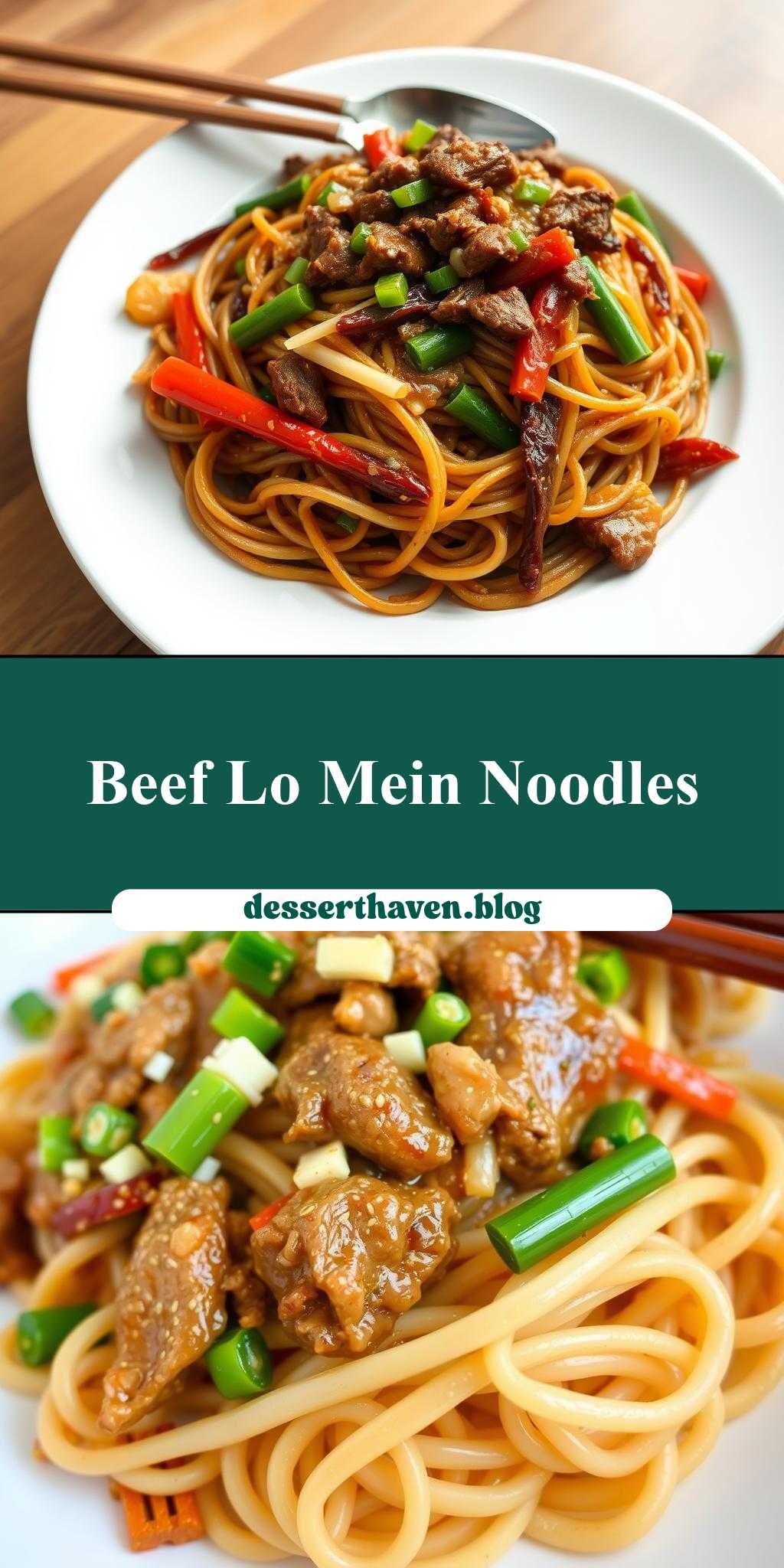
What makes a perfect weeknight dinner? This beef lo mein recipe is a quick and easy homemade solution, loaded with tender beef and stir-fried noodles, perfect for a family favorite meal. Try cooking it with soy sauce and vegetables for added flavor. Save this idea for your next easy weeknight dinner inspiration.
Beef Lo Mein Recipe
Introduction
Indulge in the rich flavors of Asia with this delectable Beef Lo Mein Recipe, perfect for a quick and satisfying meal that combines the ease of everyday ingredients with the creativity of international cuisine. Lo Mein, a classic Chinese dish, is known for its savory blend of stir-fried noodles, beef, and vegetables, all brought together with a delicious sauce. This recipe is designed to be accessible, flavorful, and incredibly easy to make, allowing you to enjoy a restaurant-quality meal in the comfort of your own home. Whether you’re a seasoned chef or a beginner in the kitchen, this Beef Lo Mein Recipe is sure to become a favorite, offering a versatile canvas for your culinary creativity and experimentation.
Why This Works
- Flavor balance and ingredient accessibility: This recipe strikes a perfect balance between flavors, using ingredients that are easily found in most supermarkets, making it convenient for anyone to prepare.
- Ease of preparation: The steps are straightforward and simple, allowing for a quick preparation time that fits into even the busiest of schedules.
- Impressive results with minimal effort: Despite its simplicity, this Beef Lo Mein Recipe yields impressive results, sure to satisfy your family and friends with its delicious taste and appealing presentation.
Key Ingredients
The main ingredients for this Beef Lo Mein Recipe include lean beef (sirloin or ribeye work well), Lo Mein noodles, a variety of colorful vegetables such as cabbage, carrots, and bell peppers, and a savory sauce made from soy sauce, oyster sauce (optional), and hoisin sauce. For practical substitutions, you can use chicken or tofu for a vegetarian option, and customize the vegetables based on your preferences and what’s available. The sauce can also be adjusted to suit your taste, with options to add more soy sauce for saltiness, hoisin sauce for sweetness, or sriracha for an extra kick of spice.
Instructions
- Step 1: Begin by preparing all your ingredients. Slice the beef into thin strips and season with a bit of soy sauce and pepper. Chop the vegetables into bite-sized pieces and cook the Lo Mein noodles according to the package instructions. Typically, this involves boiling them for 3-5 minutes or until they are slightly undercooked, then rinsing them with cold water to stop the cooking process.
- Step 2: In a large skillet or wok, heat a couple of tablespoons of oil over medium-high heat. Add the beef and cook until it’s browned, about 3-4 minutes. Remove the beef from the skillet and set it aside. Then, add a bit more oil if necessary, and stir-fry the chopped vegetables until they are tender-crisp, which should take about 4-5 minutes.
- Step 3: To make the sauce, combine soy sauce, oyster sauce (if using), hoisin sauce, and a bit of sugar in a small bowl. Whisk the mixture until it’s smooth. Pour the sauce into the skillet with the vegetables and bring it to a simmer. Let it cook for about 2 minutes until the sauce has thickened slightly. Then, add the cooked noodles and beef back into the skillet, stirring everything together to combine.
- Step 4: For the final touches, add some chopped green onions and sesame seeds on top of the Lo Mein for garnish. Serve it hot and enjoy the delightful combination of flavors and textures. This dish can be customized further with your choice of toppings, such as sliced almonds for added crunch or pickled ginger for a tangy kick.
Handy Tips
- One of the most helpful kitchen advice for making Beef Lo Mein is to prepare all your ingredients before starting to cook, a technique known as “mise en place.” This ensures that the cooking process is smooth and efficient, as everything you need is ready to go. Additionally, using high-quality ingredients, especially the noodles and the sauce, can make a significant difference in the final taste and texture of the dish.
Heat Control
Heat control is crucial when making Beef Lo Mein to achieve the perfect doneness of the beef and the vegetables, and to prevent the noodles from becoming mushy. Ideally, you want to cook the beef over medium-high heat to get a nice brown sear on the outside while keeping it juicy on the inside. For the vegetables, medium heat is often preferable to prevent burning and to achieve a tender but still crisp texture. The key is to stir-fry quickly and constantly, ensuring that all ingredients are cooked evenly.
Crunch Factor
Achieving the right crunch factor in Beef Lo Mein adds to its appeal and texture. This can be accomplished by not overcooking the vegetables, so they retain some of their crunch, and by adding elements like sliced almonds or sesame seeds on top of the dish before serving. The slightly undercooked Lo Mein noodles also contribute to the desired texture, as they should still have a bit of bite to them.
Pro Kitchen Tricks
- One expert tip for better results is to use a wok if you have one, as it distributes heat evenly and allows for quick stir-frying. If not, a large skillet will work as well. Another trick is to cook the ingredients in batches if necessary, to prevent overcrowding the pan, which can lead to steaming instead of stir-frying. Finally, don’t overmix the noodles with the sauce and ingredients; instead, use a gentle folding motion to combine everything, preserving the texture of the noodles.
Storage Tips
- For leftover storage, it’s best to keep the Beef Lo Mein in an airtight container in the refrigerator. It can be stored for up to 3 days. For reheating, add a bit of water or sauce to the dish to prevent it from drying out, and heat it in a pan over low heat or in the microwave until warmed through. As for shelf life, cooked Lo Mein is best consumed within a day or two for optimal flavor and texture. Freezing is not recommended as it can affect the texture of the noodles.
Gift Packaging Ideas
While Beef Lo Mein is typically served as a main dish, components of it can be gift-packaged, such as the sauce or the noodles. For a unique gift, consider packaging the sauce ingredients in a decorative jar with a recipe card, or offering a packet of Lo Mein noodles with some suggested toppings and seasonings. This can be a thoughtful and culinary gift for friends and family, encouraging them to explore the world of Asian cuisine.
Flavor Variations
- Different spices: Experiment with various spices and seasonings to give your Beef Lo Mein a unique flavor. For example, adding some red pepper flakes can give it a spicy kick, while a sprinkle of Chinese five-spice powder can add depth and warmth.
- Creative toppings: Customize your dish with creative toppings such as sliced green onions, bean sprouts, or pickled ginger. Each adds a different dimension of flavor and texture.
- Ingredient swaps: Feel free to swap out ingredients based on your dietary preferences or what’s available. Chicken, pork, or tofu can replace beef, and a variety of vegetables can be used based on the season and your taste.
Troubleshooting
- Texture problems: If your noodles become mushy, it’s likely because they were overcooked. Try cooking them for less time or rinsing them with cold water sooner. For beef that’s too tough, it might have been overcooked or not sliced thinly enough.
- Ingredient replacements: If you can’t find a specific ingredient, look for substitutes that offer similar flavors or textures. For example, if you can’t find Lo Mein noodles, rice noodles or even spaghetti can be used as a substitute in a pinch.
- Over/undercooking signs: Keep an eye on your ingredients as they cook. Beef should be browned on the outside and cooked through, vegetables should be tender but crisp, and noodles should retain some bite. Adjust your cooking time and heat as needed to achieve these textures.
FAQs
- Can I freeze it? It’s not recommended to freeze cooked Beef Lo Mein as the noodles can become mushy and unappetizing upon thawing. However, you can freeze the sauce or cook the noodles and freeze them separately for later use.
- Is it gluten-free? Depending on the sauces used, Beef Lo Mein may not be gluten-free. Soy sauce and hoisin sauce typically contain gluten, so look for gluten-free alternatives if necessary.
- Can I double the recipe? Yes, you can easily double or triple this recipe to feed a larger crowd. Just be sure to use a large enough skillet or wok to accommodate all the ingredients and to adjust the cooking time slightly as needed.
Conclusion
In conclusion, this Beef Lo Mein Recipe offers a delicious, easy, and versatile dish that can be customized to suit your tastes and dietary needs. With its balance of savory sauce, tender beef, and crunchy vegetables, all stir-fried to perfection with Lo Mein noodles, it’s a meal that’s sure to please both kids and adults. Don’t be afraid to experiment with different ingredients and flavors to make the dish your own, and enjoy the process of cooking and sharing this wonderful recipe with your loved ones. Whether you’re cooking for one or for many, the joy of creating and savoring a homemade meal like Beef Lo Mein is undeniable, offering a moment of warmth and connection in our busy lives.