
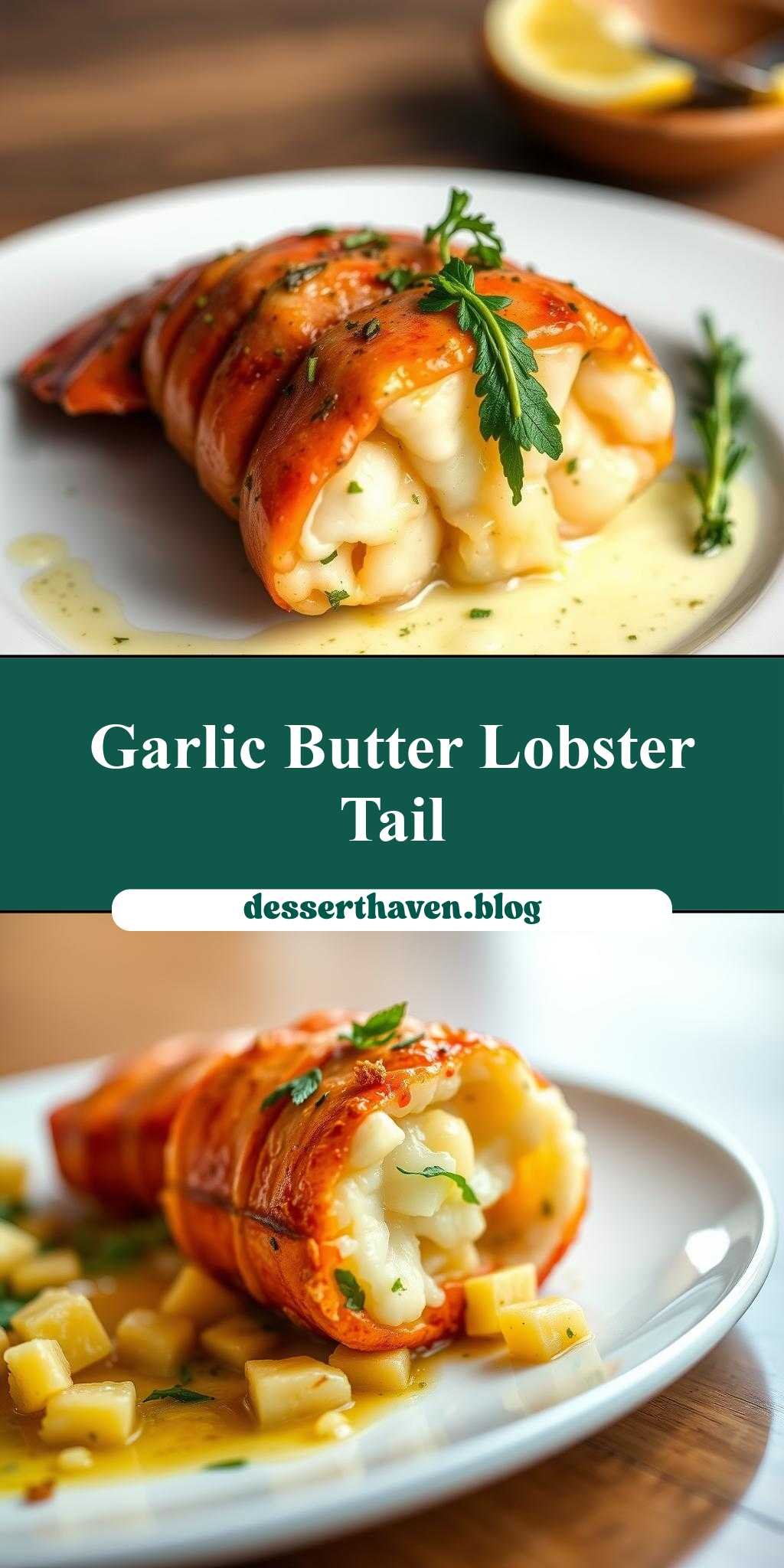
What makes a perfect special occasion dish? This garlic-butter herb lobster tail delight is a showstopper, with its rich homemade flavor and easy preparation method, making it a great weeknight dinner option. Featuring succulent lobster tail smothered in a savory garlic butter sauce, this recipe is sure to become a family favorite. Save this idea for your next dinner party and impress your guests with a quick and delicious meal. Try it soon and enjoy the rave reviews. Pin for later
Garlic-Butter Herb Lobster Tail Delight
Introduction
Welcome to the Garlic-Butter Herb Lobster Tail Delight, a recipe that embodies the perfect blend of simplicity, flavor, and creativity. Using everyday ingredients, we’ll guide you through the process of creating a dish that’s not only mouth-watering but also impressive. This recipe is ideal for special occasions or a luxurious treat any day of the week. With its ease of preparation and the use of accessible ingredients, you’ll find yourself returning to this delight again and again.
Why This Works
- Flavor balance and ingredient accessibility: The combination of garlic, butter, and herbs creates a rich and aromatic flavor profile that complements the lobster tail perfectly, all while using ingredients that are readily available in most supermarkets.
- Ease of preparation: Despite its luxurious appeal, this dish is surprisingly easy to prepare. The steps are straightforward, and the ingredients require minimal processing, making it a great option for both beginners and experienced cooks.
- Impressive results with minimal effort: The presentation and flavor of the Garlic-Butter Herb Lobster Tail Delight are sure to impress your guests, all without requiring an excessive amount of time or effort in the kitchen.
Key Ingredients
The main ingredients for this recipe include lobster tails, garlic, butter, a mix of fresh herbs (such as parsley, dill, and chives), lemon, salt, and pepper. For a practical substitution, if lobster tails are not available, you could consider using large shrimp or even scallops, though the cooking time may vary. Additionally, if fresh herbs are not in season, dried herbs can be used as a substitute, though the flavor might be slightly less vibrant.
Instructions
- Step 1: Begin by prepping your ingredients. Mince the garlic, chop the fresh herbs, and ensure your lobster tails are thawed and patted dry.
- Step 2: In a saucepan, melt the butter over medium heat. Add the minced garlic and cook until fragrant, being careful not to burn the garlic. Then, add the chopped herbs and stir to combine.
- Step 3: Place the lobster tails in the saucepan, spooning some of the garlic-butter herb mixture over each tail. Squeeze a bit of lemon juice over the lobster and season with salt and pepper to taste. Cover the saucepan with a lid to help cook the lobster evenly.
- Step 4: Cook the lobster tails for about 8-10 minutes per side, or until they reach an internal temperature of 145°F. Remove from heat and serve immediately, garnished with additional herbs if desired.
Handy Tips
- When cooking lobster, it’s essential to not overcook it, as it can become tough and rubbery. Check the lobster frequently towards the end of the cooking time.
- For an added layer of flavor, you can marinate the lobster tails in a mixture of olive oil, lemon juice, and herbs for about 30 minutes before cooking.
- Be mindful of the heat levels when melting the butter and cooking the garlic, as high heat can quickly burn the garlic and ruin the dish.
Heat Control
Heat control is crucial in this recipe, especially when cooking the lobster. The ideal temperature for cooking lobster is medium-low heat, which helps in achieving a tender and juicy texture. It’s also important to keep an eye on the cooking time and the internal temperature of the lobster to avoid overcooking. Signs of doneness include the lobster turning opaque and flaking easily with a fork.
Crunch Factor
The crunch factor in this dish comes from the texture of the herbs and possibly the slight char on the lobster if cooked to perfection. To achieve a tender yet slightly firm texture on the lobster, ensure that you don’t overcook it. The herbs should be fresh and chopped just before use to preserve their crunch and flavor.
Pro Kitchen Tricks
- For easier cleanup, line your saucepan with aluminum foil before adding the lobster and garlic-butter mixture. This trick can save you a lot of scrubbing time later.
- Consider using a thermometer to check the internal temperature of the lobster, ensuring it reaches a safe minimum internal temperature of 145°F.
- To enhance the presentation, serve the lobster tails on a bed of rice or with a side of steamed vegetables, and drizzle the remaining garlic-butter sauce over the top.
Storage Tips
- If you have leftovers, store them in an airtight container in the refrigerator for up to a day. Reheat gently in the oven or on the stovetop, being careful not to overcook the lobster.
- It’s not recommended to freeze cooked lobster, as the texture can become unpleasantly tough. However, you can freeze lobster tails before cooking and then thaw and cook them as needed.
- Use glass or stainless steel containers for storing leftovers, as these materials are non-reactive and won’t impart unwanted flavors to the dish.
Gift Packaging Ideas
If you’re considering gifting this dish, perhaps for a special occasion or as part of a gourmet basket, consider packaging the ingredients separately and including a recipe card. You could place the lobster tails in a insulated bag with ice packs, the garlic-butter herb mixture in a small jar, and the fresh herbs in a decorative bunch. Add a ribbon and a personalized note for a thoughtful and unique gift.
Flavor Variations
- Different spices: Consider adding a pinch of cayenne pepper for a spicy kick or some paprika for a smoky flavor.
- Creative toppings: Top your lobster with toasted breadcrumbs, grated cheese, or a dollop of caviar for added luxury.
- Ingredient swaps: If you can’t find lobster, you could use other seafood like shrimp, scallops, or even fish fillets, adjusting the cooking time accordingly.
Troubleshooting
- Texture problems: If your lobster becomes tough, it’s likely overcooked. Try cooking it for less time or checking the internal temperature more frequently.
- Ingredient replacements: If a particular herb is not available, you can substitute it with another herb that complements the dish, or simply omit it if necessary.
- Over/undercooking signs: Undercooked lobster will be translucent and soft, while overcooked lobster will be opaque, firm, and possibly tough. Adjust your cooking time based on these signs.
FAQs
- Can I freeze it? It’s best not to freeze cooked lobster, but you can freeze lobster tails before cooking. Follow safe thawing and cooking practices to avoid foodborne illness.
- Is it gluten-free? Yes, this recipe is naturally gluten-free, making it a great option for those with gluten intolerance or sensitivity.
- Can I double the recipe? Absolutely, you can double or even triple the recipe if you’re serving a larger crowd. Just ensure you have a large enough saucepan to accommodate all the lobster tails comfortably.
Conclusion
In conclusion, the Garlic-Butter Herb Lobster Tail Delight is a recipe that offers a perfect blend of flavor, ease, and luxury. With its straightforward instructions and accessible ingredients, it’s a dish that anyone can enjoy, whether you’re a seasoned chef or a beginner in the kitchen. Don’t hesitate to experiment with the recipe, adding your own favorite herbs or spices to make it truly unique. Share your creations with friends and family, and enjoy the delight of cooking and savoring a truly special meal.