
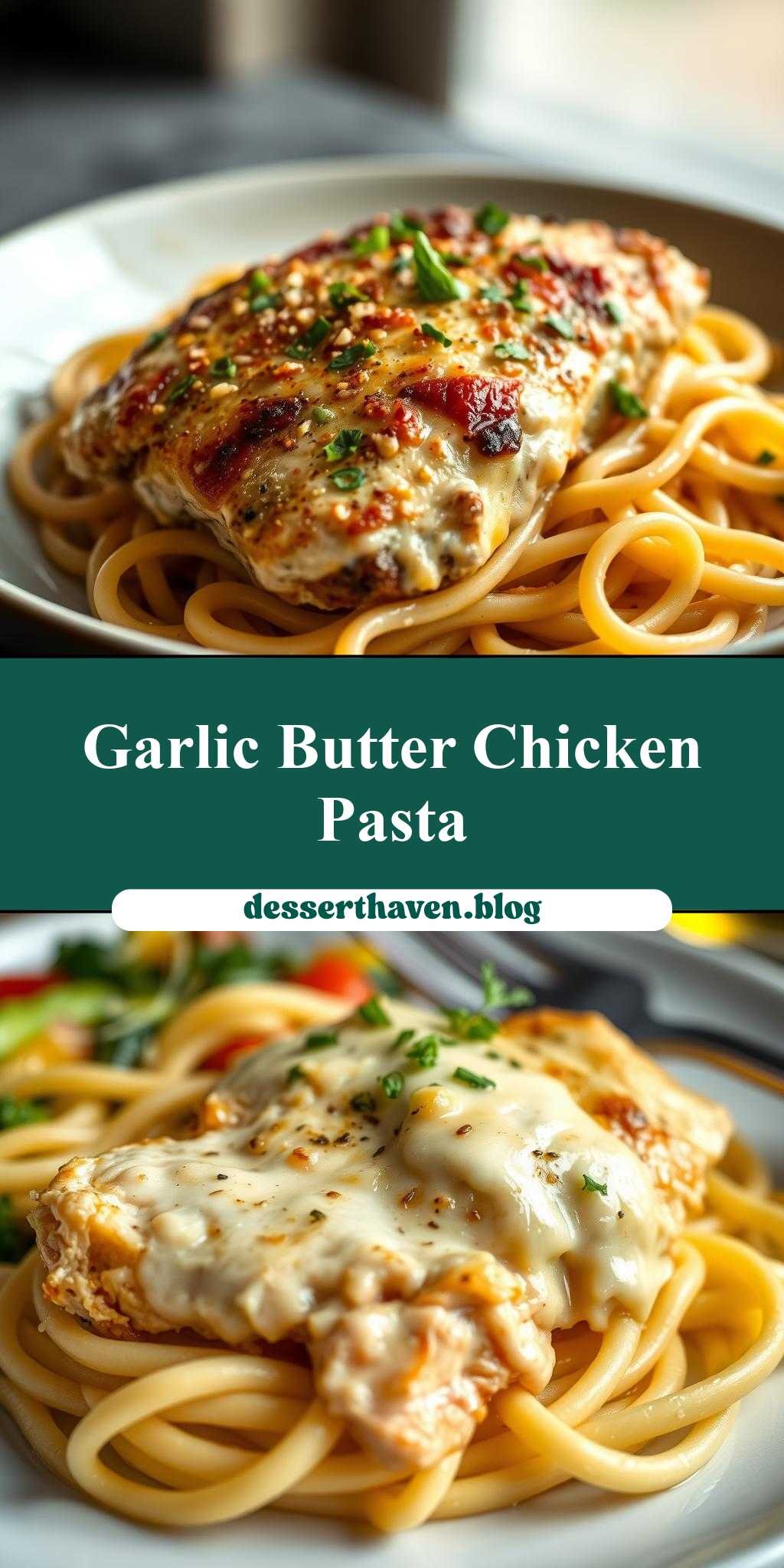
What makes a perfect weeknight dinner? Tender garlic butter chicken served with creamy parmesan noodles, a match made in heaven, especially when it’s quick and easy to make at home. Garlic and parmesan are the stars here. Save this idea for your next family favorite meal.
Tender Garlic Butter Chicken with Creamy Parmesan Noodles
Introduction
Imagine a dish that combines the richness of garlic butter, the tender juiciness of chicken, and the comforting creaminess of parmesan noodles, all in one delightful package. This recipe for Tender Garlic Butter Chicken with Creamy Parmesan Noodles is not just a meal; it’s an experience that will leave you and your family craving for more. The best part? It’s incredibly easy to make, requiring minimal effort but yielding impressive results. With everyday ingredients and a bit of creativity, you can turn a simple dinner into a gourmet feast. Whether you’re a culinary novice or a seasoned chef, this recipe is sure to become a staple in your kitchen.
Why This Works
- Flavor balance and ingredient accessibility: The combination of garlic butter, chicken, and parmesan cheese provides a perfect balance of flavors, and all the ingredients are easily accessible in most supermarkets.
- Ease of preparation: Despite its sophisticated taste, this dish is remarkably easy to prepare. The steps are straightforward, and the cooking time is relatively short.
- Impressive results with minimal effort: The presentation of the dish, with its golden-brown chicken and creamy noodles, makes it perfect for special occasions or dinner parties, all achieved with minimal fuss.
Key Ingredients
The main ingredients for this recipe include chicken breasts, garlic, butter, parmesan cheese, noodles, and a mix of herbs and spices. For the chicken, you can use either boneless, skinless chicken breasts or thighs, depending on your preference. The garlic butter sauce is crucial, so using high-quality butter and fresh garlic is recommended. Parmesan cheese can be substituted with other hard cheeses like Pecorino or Romano, but Parmesan gives the best flavor. Noodles can vary from penne, fusilli, or even spaghetti, depending on what you have available. Practical substitutions can be made by using vegetable or chicken broth instead of cream for a lighter version, or by adding different vegetables like bell peppers or mushrooms to increase the nutritional value and flavor depth.
Instructions
- Step 1: Begin by prepping your ingredients. Chop the garlic finely, measure out the butter, cheese, and herbs, and slice any additional vegetables you’re using. This step ensures that you have everything ready to go, making the cooking process smoother and less stressful.
- Step 2: Cook your noodles according to the package instructions until they’re al dente. Drain and set them aside. While the noodles are cooking, you can start on the garlic butter sauce. In a large skillet, melt the butter over medium heat, then add the minced garlic and cook until fragrant, being careful not to burn it.
- Step 3: Add the chicken to the skillet and cook until it’s browned on both sides and cooked through. Remove the chicken from the skillet and set it aside to rest. In the same skillet, add any additional vegetables you’re using and sauté until they’re tender. Then, pour in the cream or broth, and bring the mixture to a simmer. Let it cook until the sauce has slightly thickened, then stir in the parmesan cheese until it’s fully incorporated and the sauce is creamy.
- Step 4: To finish the dish, add the cooked noodles to the skillet with the garlic butter sauce and toss until the noodles are well coated. Slice the rested chicken and place it on top of the noodles. Serve hot, garnished with additional parmesan cheese and herbs if desired. This final step is all about presentation and ensuring that each component of the dish is perfectly prepared and presented.
Handy Tips
- When cooking the chicken, make sure not to overcrowd the skillet, as this can lower the temperature of the pan and affect the even cooking of the chicken. Cook in batches if necessary.
- For a lighter version of the creamy sauce, you can use half cream and half chicken or vegetable broth. This reduces the calorie count without compromising the flavor.
- Always taste as you go and adjust the seasoning. The key to a great dish is balancing the flavors, so don’t be afraid to add more garlic, herbs, or cheese to taste.
Heat Control
Heat control is crucial in this recipe, especially when cooking the chicken and making the garlic butter sauce. For the chicken, you want to achieve a nice brown on the outside, which means cooking it over medium-high heat initially. However, to prevent burning, you’ll need to reduce the heat to medium or medium-low once the chicken is browned, to cook it through without drying it out. For the sauce, medium heat is ideal to melt the butter and cook the garlic without burning it, and to simmer the cream or broth without boiling it over. The ideal internal temperature for cooked chicken is 165°F (74°C), and it should be cooked until it reaches this temperature to ensure food safety.
Crunch Factor
The crunch factor in this dish comes from the golden-brown chicken and the slight crunch of the parmesan cheese on top of the noodles. To achieve this, make sure to not overcook the chicken, as it can become dry and lose its crunch. Similarly, sprinkling parmesan cheese on top of the dish just before serving ensures it retains some of its texture. If you’re looking to add more crunch, you could also sprinkle some toasted breadcrumbs or chopped nuts on top of the parmesan cheese for added texture.
Pro Kitchen Tricks
- One of the pro kitchen tricks for this recipe is making sure your ingredients are at room temperature before you start cooking. This ensures that the butter melts evenly, the chicken cooks consistently, and the cheese incorporates smoothly into the sauce.
- Using high-quality ingredients can elevate the dish significantly. Fresh parmesan cheese, real butter, and fresh herbs make a noticeable difference in the flavor and texture of the final product.
- Don’t overmix the sauce once you’ve added the parmesan cheese. This can make the sauce gritty and unappetizing. Instead, let it melt slowly over low heat, stirring occasionally, until it’s fully incorporated and creamy.
Storage Tips
- Leftover storage: If you have leftovers, store them in an airtight container in the refrigerator. The dish can be safely stored for up to 3 days.
- Reheating tips: To reheat, place the leftovers in a saucepan over low heat, adding a bit of cream or broth if the sauce has thickened too much. Stir occasionally until the dish is heated through.
- Shelf life: Cooked chicken and creamy sauces are best consumed within a day or two of cooking for optimal flavor and safety.
- Best containers: Use glass or stainless steel containers for storing leftovers, as these materials are non-reactive and can help preserve the flavor and quality of the food.
Gift Packaging Ideas
If you’re considering gifting this dish, perhaps for a potluck or as a care package, there are several creative ways to package it. You could use a decorative ceramic dish covered with aluminum foil or plastic wrap, or opt for individual servings in microwave-safe containers. Adding a sprinkle of parmesan cheese and a few fresh herbs on top, along with a handwritten recipe card or a note with reheating instructions, can make the gift even more special and personalized.
Flavor Variations
- Different spices: Adding a pinch of red pepper flakes can give the dish a spicy kick, while dried or fresh basil can add a bright, herbaceous note.
- Creative toppings: Consider adding some sautéed mushrooms, cherry tomatoes, or spinach to the noodles for added flavor and nutrition.
- Ingredient swaps: You can swap the chicken for shrimp or scallops for a seafood version, or use vegan cheese and a plant-based cream alternative for a vegan option.
Troubleshooting
- Texture problems: If the sauce becomes too thick, you can thin it out with a bit of broth or cream. If it’s too thin, simmering it for a few minutes can help reduce it to the desired consistency.
- Ingredient replacements: If you don’t have parmesan, you can use other hard cheeses. Lack of fresh garlic? Minced garlic from a jar can be a decent substitute in a pinch.
- Over/undercooking signs: Chicken that’s overcooked will be dry and tough, while undercooked chicken will be pink and juicy but unsafe to eat. Make sure to check the internal temperature to ensure it reaches 165°F (74°C).
FAQs
- Can I freeze it? Yes, you can freeze the cooked chicken and the creamy sauce separately for up to 2 months. When you’re ready to serve, thaw overnight in the fridge and reheat as instructed.
- Is it gluten-free? The dish can be made gluten-free by ensuring the broth or cream used is gluten-free and by choosing gluten-free noodles. Always check the labels of your ingredients to confirm.
- Can I double the recipe? Absolutely, this recipe can be easily doubled or even tripled for larger gatherings. Just remember to adjust the cooking time slightly for the chicken and to use a larger skillet to accommodate all the ingredients.
Conclusion
This recipe for Tender Garlic Butter Chicken with Creamy Parmesan Noodles is a true delight, offering a combination of flavors and textures that will satisfy any appetite. With its ease of preparation, impressive results, and flexibility in ingredient substitutions, it’s a dish that can be enjoyed by everyone. Whether you’re a busy parent looking for a quick dinner solution, a culinary enthusiast experimenting with new flavors, or simply someone who loves good food, this recipe is sure to become a favorite. So go ahead, give it a try, and don’t hesitate to share your own twists and variations with friends and family. Happy cooking!