
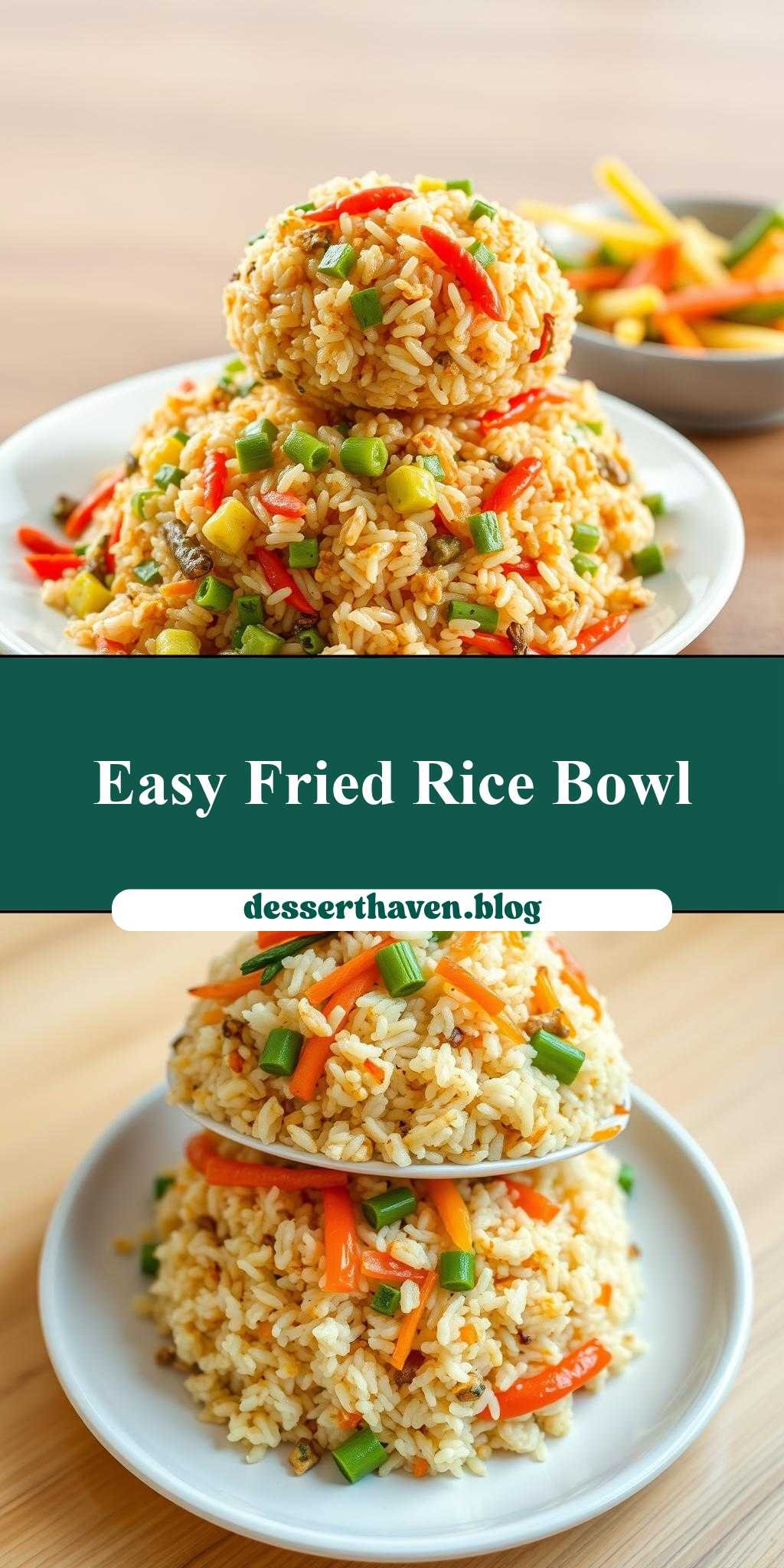
What if your weeknight dinner could taste better than takeout? This homemade fried rice recipe is a quick and easy family favorite, loaded with scrambled eggs and savory vegetables, all cooked to perfection. Save this idea for a delicious meal anytime.
two plates filled with rice and vegetables on top of each other, the words better than takeout fried rice
Introduction
Imagine a dish that combines the simplicity of everyday ingredients with the vibrant flavors and textures of a gourmet meal. Welcome to the world of “Better Than Takeout Fried Rice,” a culinary masterpiece that will elevate your mealtime experience without breaking the bank or requiring exotic ingredients. This recipe is all about creativity, ease, and the joy of cooking with what you have on hand. Whether you’re a seasoned chef or a beginner in the kitchen, this fried rice recipe promises to delight your senses and leave you wanting more. The best part? It’s incredibly easy to make and can be customized to suit any taste or dietary preference.
Why This Works
- Flavor balance and ingredient accessibility: This recipe strikes a perfect balance between savory, sweet, and umami flavors, all while using ingredients that are readily available in most supermarkets.
- Ease of preparation: With a straightforward preparation process, you can have a delicious, restaurant-quality meal on the table in no time. This recipe is perfect for busy weeknights or lazy weekends.
- Impressive results with minimal effort: Despite its simplicity, this fried rice recipe yields impressive results. The combination of textures and flavors will make it a staple in your household, and it’s sure to impress your family and friends.
Key Ingredients
The magic of this recipe lies in its ingredients. You’ll need cooked rice (preferably day-old rice to reduce moisture), a variety of colorful vegetables such as carrots, peas, and bell peppers, some protein source like chicken, shrimp, or tofu, and of course, the right seasonings. For added depth, soy sauce, oyster sauce (optional), and sesame oil are essential. Practical substitutions can be made based on dietary needs or preferences, such as using vegan alternatives to animal products or swapping one type of vegetable for another based on what’s in season or available.
Instructions
- Step 1: Begin by preparing all your ingredients. Chop the vegetables into bite-sized pieces, slice the protein into thin strips, and scramble some eggs. This prep work is crucial for a smooth and efficient cooking process.
- Step 2: Cook your protein and set it aside. This could involve stir-frying chicken in a bit of oil until it’s cooked through or pan-frying tofu until it’s golden brown. Then, in the same pan, add a bit more oil if necessary and pour in the beaten eggs. Scramble them until they’re just set, then remove them from the pan and set aside with the protein.
- Step 3: With the pan still hot, add the chopped vegetables and stir-fry until they’re tender-crisp. This step is where you can really get creative, adding your favorite vegetables or trying out new ones. Once the vegetables are done, add the cooked rice to the pan, breaking up any clumps with a spatula. Stir-fry the rice with the vegetables, ensuring everything is well combined.
- Step 4: Finally, add the cooked protein and scrambled eggs back into the rice mixture. Stir in soy sauce, oyster sauce (if using), and a drizzle of sesame oil. Taste and adjust the seasoning as needed. The goal is to achieve a harmonious balance of flavors. Serve hot, garnished with green onions and a sprinkle of sesame seeds for added crunch and visual appeal.
Handy Tips
- Use day-old rice to prevent the fried rice from becoming mushy or sticky. If you only have fresh rice, try to dry it out in a low-temperature oven for a few minutes to remove excess moisture.
- Don’t overmix the rice, as this can make it clumpy and unappetizing. Instead, use a gentle folding motion with your spatula to combine the ingredients.
- Customize the recipe based on what you have in your fridge. Fried rice is a great way to use up leftover vegetables, meat, or eggs, reducing food waste and saving you money.
Heat Control
Heat control is crucial when making fried rice. You want your pan or wok to be hot enough that it sears the ingredients quickly, locking in their flavors and textures. Ideally, you’re aiming for a medium-high heat. When you add the rice, it should sizzle and start to brown almost immediately. This high heat helps to dry out the rice, making it crispy at the bottom and fluffy throughout. Be careful not to burn the rice; constant stirring and adjusting the heat as needed can prevent this.
Crunch Factor
Achieving the right texture is key to a great fried rice dish. You want a combination of crunchy, crispy, and tender elements. The vegetables should retain some crunch, while the rice should be fluffy but not mushy. Adding nuts or seeds towards the end of cooking can introduce a satisfying crunch. Additionally, not overcooking the ingredients helps preserve their natural textures, contributing to a more dynamic and engaging eating experience.
Pro Kitchen Tricks
- Invest in a good wok or large skillet. These pans are designed for high-heat cooking and can help you achieve the perfect stir-fry.
- Keep your ingredients ready and within reach. This is known as “mise en place” and can greatly reduce stress and errors during cooking.
- Don’t be afraid to experiment. Fried rice is a versatile dish that can accommodate a wide range of ingredients and seasonings. Try new things and find what works best for you.
Storage Tips
- Leftover fried rice can be stored in the refrigerator for up to 3 days. It’s best to cool it down quickly and store it in a covered container to prevent drying out.
- For reheating, a microwave is convenient, but be cautious not to overheat, which can make the rice dry. Adding a splash of water and covering the rice with a damp paper towel can help retain moisture.
- Fried rice can also be frozen for up to 2 months. When you’re ready to eat it, simply thaw overnight in the fridge and reheat as usual.
Gift Packaging Ideas
While fried rice might not be the first thing that comes to mind when thinking of gifts, it can actually make a thoughtful and practical present, especially for someone who loves Chinese cuisine or is looking for a quick, easy meal. Consider packaging it in decorative containers or jars, garnished with fresh herbs or edible flowers. You could also include a pair of chopsticks and a fortune cookie for a fun touch.
Flavor Variations
- Different spices: Try adding curry powder for an Indian-inspired flavor, smoked paprika for a smoky twist, or chili flakes for a spicy kick.
- Creative toppings: Add some diced fresh mango or pineapple for a sweet and savory contrast, toasted nuts for crunch, or a dollop of spicy mayo for added creaminess.
- Ingredient swaps: Use different types of protein like beef, pork, or lamb, or substitute the rice with other grains like quinoa or farro for a nutritional boost.
Troubleshooting
- Texture problems: If your fried rice turns out too sticky or mushy, it might be due to using fresh rice that’s too moist. Try drying it out in the oven next time or using day-old rice.
- Ingredient replacements: If you’re missing a specific ingredient, don’t be afraid to substitute it with something similar. For example, if you don’t have soy sauce, you could use tamari or coconut aminos as a substitute.
- Over/undercooking signs: Pay attention to the color and texture of your ingredients. Overcooked rice can be dry and brown, while undercooked vegetables might still be crunchy but not tender.
FAQs
- Can I freeze it? Yes, fried rice can be frozen for up to 2 months. Simply thaw and reheat when you’re ready to eat it.
- Is it gluten-free? This depends on the ingredients you use. If you use gluten-free soy sauce and are careful about cross-contamination, then yes, this recipe can be gluten-free.
- Can I double the recipe? Absolutely. Just keep in mind that you might need to cook the ingredients in batches to prevent overcrowding the pan, which can lead to steaming instead of stir-frying.
Conclusion
Making “Better Than Takeout Fried Rice” is not just about following a recipe; it’s about embracing the spirit of creativity and flexibility that cooking embodies. This dish is a celebration of flavors, textures, and the joy of turning everyday ingredients into something extraordinary. Whether you’re cooking for one or feeding a crowd, this recipe is sure to become a favorite. So go ahead, experiment with new ingredients, share your creations with friends and family, and enjoy the process of cooking something truly special.