
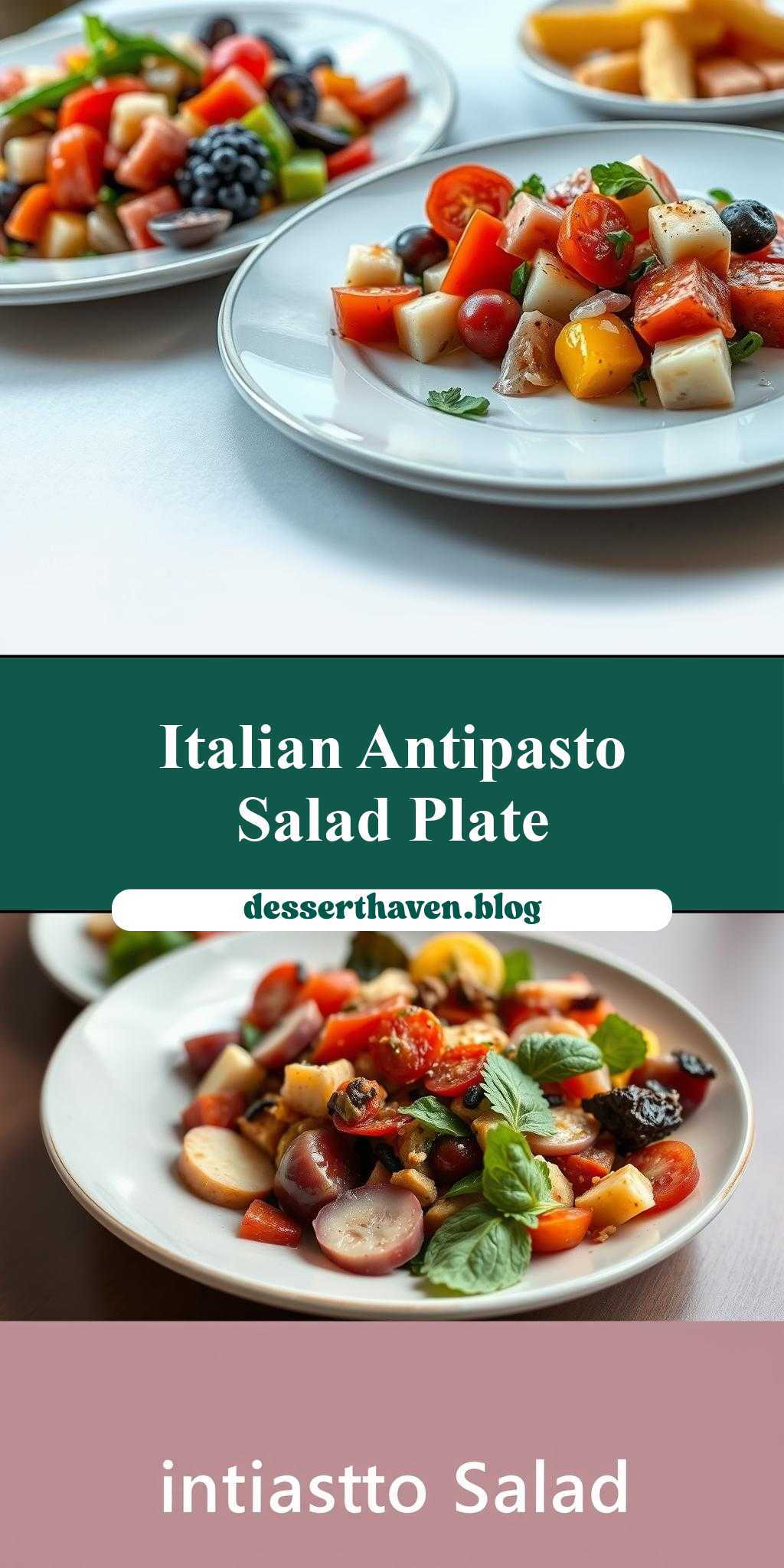
What happens when you combine the best of Italy with a fresh twist on salad making? This antipasto salad is a quick and easy weeknight dinner solution, loaded with cured meats and homemade mozzarella. Save this idea for a simple yet satisfying family favorite meal to try soon.
two plates with different types of food on them and the words antipasto salad below
Introduction
Imagine a dish that combines the simplicity of everyday ingredients with the elegance of a gourmet meal, all while allowing your creativity to shine. Welcome to the world of antipasto salads, where the beauty of Italian cuisine meets the versatility of your favorite ingredients. This recipe is designed to be easy, flavorful, and adaptable, making it perfect for both beginners and seasoned cooks. With its emphasis on fresh vegetables, cured meats, and cheeses, it’s a celebration of textures and tastes that will leave you and your guests in awe.
Why This Works
- Flavor balance and ingredient accessibility: The combination of salty meats, tangy cheeses, and fresh vegetables creates a balanced flavor profile that’s easy to achieve with readily available ingredients.
- Ease of preparation: This antipasto salad requires minimal cooking, focusing instead on assembly and presentation, making it a quick and stress-free option for any occasion.
- Impressive results with minimal effort: Despite its simplicity, the variety of colors, textures, and flavors in an antipasto salad makes it a visually stunning and satisfying dish that’s sure to impress.
Key Ingredients
The heart of an antipasto salad lies in its diverse and flavorful ingredients. Key components include a variety of cured meats such as prosciutto, salami, and ham, which provide a salty, savory element. Cheeses like mozzarella, parmesan, and gorgonzola add creaminess and depth. Fresh vegetables such as cherry tomatoes, bell peppers, and cucumbers contribute freshness and crunch. Olives, artichoke hearts, and roasted red peppers can add additional layers of flavor. For practical substitutions, consider using different types of cheese or cured meats based on what’s available and your personal preferences. Fresh herbs like basil and oregano can also be added for extra flavor.
Instructions
- Step 1: Begin by preparing your ingredients. Slice the cured meats into thin strips, cube the cheese, halve the cherry tomatoes, slice the bell peppers and cucumbers, and pit the olives. This step is crucial for achieving a visually appealing and easy-to-eat salad.
- Step 2: On a large platter or individual plates, create a bed of mixed greens. This will serve as the base of your antipasto salad, adding freshness and a bit of bitterness to balance out the richness of the other ingredients.
- Step 3: Arrange the sliced meats, cubed cheese, vegetables, and olives on top of the greens. The key here is to create a pattern that’s visually appealing, so don’t be afraid to get creative with the arrangement. Consider grouping similar items together or creating a pattern with the different colors and textures.
- Step 4: Final touches include drizzling with olive oil and possibly a bit of balsamic glaze, and sprinkling with salt and pepper to taste. Fresh herbs can also be added on top for extra flavor and color. The finishing touches are what elevate your antipasto salad from a simple assembly of ingredients to a cohesive and delicious dish.
Handy Tips
- When selecting ingredients, consider what’s in season and what you have on hand to make the dish more economical and sustainable. Also, be mindful of the balance between flavors and textures to ensure every bite is interesting and satisfying.
Heat Control
Since this recipe primarily involves assembling cold ingredients, heat control is not a significant factor. However, if you choose to include grilled or roasted elements, such as roasted red peppers, ensure they are cooked at the appropriate temperature (usually medium-high heat for grilling and 400°F for roasting) until they reach your desired level of doneness.
Crunch Factor
Achieving the right crunch factor in your antipasto salad can elevate it from good to great. This can be accomplished by including a variety of fresh vegetables and possibly some crunchy elements like croutons or toasted nuts. The key is to balance crunch with softer ingredients like cheese and meats to create a satisfying texture in every bite.
Pro Kitchen Tricks
- For a more professional look, consider using a variety of heights on your platter by stacking ingredients or using stands. This adds visual interest and makes the dish more engaging.
- Keep it fresh by preparing ingredients just before assembling the salad. This ensures the best flavors and textures.
- Experiment with different types of cheese and meats to find the combinations you enjoy the most. Personalizing the recipe makes it more fun and rewarding.
Storage Tips
- For leftovers, store the components separately in airtight containers in the refrigerator. This helps maintain the freshness and texture of each ingredient.
- Reheat cooked elements gently if necessary, but most ingredients in an antipasto salad are served cold, so reheating is often not required.
- The shelf life of your antipasto salad will depend on the ingredients used, but generally, it’s best consumed within a day or two of preparation for optimal flavor and safety.
Gift Packaging Ideas
If you’re considering gifting your antipasto salad, presentation is key. Use a decorative platter or individual containers that can be sealed and transported easily. Adding a ribbon or a gift tag with serving suggestions or ingredients used can make it a thoughtful and personalized gift. Consider including a bottle of wine, olive oil, or balsamic vinegar to complement the gift.
Flavor Variations
- Different spices: Adding a sprinkle of red pepper flakes can give your antipasto salad a spicy kick, while herbs like thyme or rosemary can add an earthy note.
- Creative toppings: Grilled or roasted vegetables, marinated artichoke hearts, or roasted garlic can add unique flavors and textures.
- Ingredient swaps: Substitute different types of cheese or cured meats to change the flavor profile. For example, using goat cheese instead of mozzarella can add a tangy twist.
Troubleshooting
- Texture problems: If your salad feels too soggy, it may be due to overly moist ingredients. Try adding more greens or crunchy elements to balance it out.
- Ingredient replacements: If you can’t find a specific ingredient, don’t be afraid to substitute with something similar. The beauty of an antipasto salad lies in its flexibility.
- Over/undercooking signs: Since most of the ingredients are not cooked, this is less of an issue. However, for any cooked elements, ensure they’re heated through and not overcooked to maintain their texture and flavor.
FAQs
- Can I freeze it? While you can freeze some components like cooked meats or cheeses, the salad as a whole is best prepared fresh to maintain its texture and flavor.
- Is it gluten-free? Depending on the ingredients used, such as the type of cured meats or cheeses, the salad can be gluten-free. Always check the labels of your ingredients to ensure they meet dietary requirements.
- Can I double the recipe? Absolutely, the recipe can be easily doubled or tripled for larger gatherings. Just ensure you have a platter or plates large enough to accommodate all the ingredients in a visually appealing way.
Conclusion
Creating an antipasto salad is a journey of discovery and creativity, allowing you to express your personal taste while enjoying the simplicity and elegance of Italian-inspired cuisine. Whether you’re a seasoned cook or just starting out, this dish is adaptable, delicious, and sure to please. So go ahead, experiment with different ingredients, and make this recipe your own. Share it with friends and family, and enjoy the process of bringing people together through the joy of food.